Website Cost in India 2026: What Actually Drives the Price
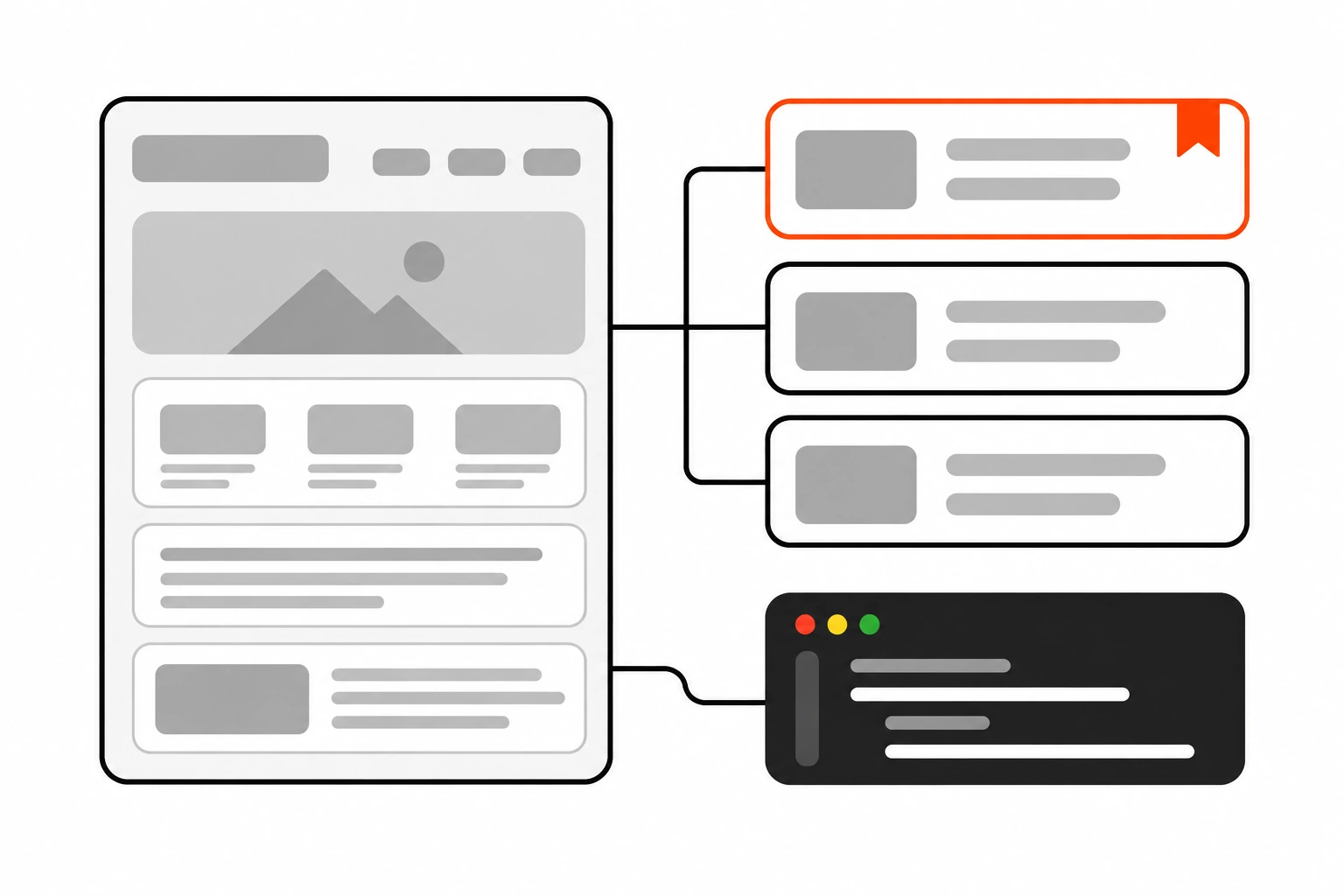
Website cost in India in 2026 is not one number. It is the sum of scope, design depth, the tech stack, content readiness, hosting, and how much you will need the site to change after launch. A one-page brochure for a local business is a different job from a multi-page WordPress site or a custom React and Next.js product. Quotes look wild when those pieces are still fuzzy.
This guide is for business owners and founders who keep getting quotes that do not match, and for anyone trying to decide whether a single-page site is enough. I will walk through what website cost in India usually includes, what pushes a quote up or down, how WordPress compares with a custom stack on the bill, and how I price a single-page site that starts from ₹15,000. No invented market rates. Just the levers that actually move the number.
Key takeaways
- Website cost in India is driven by scope first: pages, forms, languages, integrations, and how unique the design needs to be.
- Two freelancers can quote the same brief differently because one assumes stock templates and client-ready content, while the other assumes custom UI, SEO setup, and revisions.
- A single-page website is enough when one clear offer, one audience, and one call to action cover the job. It is not enough when you need separate service pages, blogs, or complex bookings.
- Domain, hosting, SSL, email, backups, and small content updates are recurring costs. They are easy to forget in the first quote.
- WordPress and custom React or Next.js change the bill because they change build time, hosting shape, and who can edit content later.
- My single-page website starts from ₹15,000. That figure is a starting point for a defined scope, not a menu of higher packages I invent here.
- Before you accept a quote, ask what is included, what is not, how revisions work, who owns the code and domain, and what happens after launch.
Short answer: website cost in India in 2026 depends on what you are buying. The homepage design is only one part. Pages, content, stack, SEO basics, hosting, and ongoing changes decide the real bill. A focused single-page site can start from ₹15,000 with me when the scope fits that starting point.
What does website cost in India actually include?
Website cost in India usually includes the planning, design, build, content placement, basic SEO setup, launch, and a short window of bug fixes. Domain, hosting, premium plugins, stock photos, copywriting, and monthly maintenance are often separate. If a quote does not list those lines, ask which ones are in and which ones you will pay elsewhere.
When someone says “I need a website,” they often mean a finished thing on the internet. A developer hears a list of tasks. Those tasks rarely stop at “make it look nice.”
A typical build, even a small one, covers discovery (who it is for and what success looks like), information architecture, visual design, responsive layout, forms that actually send somewhere, basic on-page SEO, analytics or Search Console hooks if you want them, and a launch checklist. I wrote a full website launch checklist for the final mile, because that is where “almost done” projects stall.
Then there is content. If you already have logos, photos, and copy that fit the pages, the build moves faster. If the developer has to wait on text, invent placeholders, or rebuild sections once the real copy arrives, hours pile up. That is still website cost. It just shows up as delay or change requests instead of a line item.
Third-party pieces matter too. Payment gateways, booking widgets, CRM forms, WhatsApp chat, and map embeds are quick to drop in when they are simple. They get expensive when they need custom styling, validation, or server-side logic. The same is true for multilingual sites. A second language is not “double the pages” in a neat way. It is duplicated content, duplicated QA, and usually a language switcher that has to stay consistent.
So when you compare website cost in India across freelancers and agencies, start by lining up the deliverables, not the headline number. Same brief on paper can mean very different included work.
Why do quotes for the same brief differ so much?
Quotes for the same brief differ because freelancers fill in different assumptions. One assumes a theme, three revisions, and client-supplied content. Another assumes custom design, SEO metadata, staging, training, and two rounds of rewrite after you see the first draft. The brief looks identical. The mental checklist does not.
I see this all the time. A business owner sends three people the same WhatsApp note: “Need a website for my clinic, modern look, contact form, should work on mobile.” One reply comes back low. One comes back high. The owner assumes the expensive one is padding. Sometimes they are. Often they are pricing risk and unfinished decisions.
Ambiguity is the biggest driver. “Modern” is not a scope. “Like that other site” is not a scope unless you say which parts you want: layout, color, tone, or features. Without that, a careful developer prices room for discovery. A rushed one prices a template and hopes you like it.
Revision policy is the second driver. Unlimited revisions sounds friendly until you realize someone has to pay for the hours. A fixed price with two design rounds and a clear change-request process is usually healthier for both sides. When a quote is silent on revisions, the cheap one can turn expensive later, or the relationship gets tense.
Experience and stack also change the number. A WordPress builder who has shipped dozens of local business sites can move fast inside a known toolchain. A custom Next.js build for the same brochure site can be overkill, and it will cost more in time even if the final page count looks the same. Stack choice is a cost decision, not just a tech preference. I get into that more below.
Finally, post-launch support gets bundled in different ways. Some quotes include a week of fixes. Some include a month. Some stop at “site is live.” If one quote looks higher, check whether it includes handover docs, DNS help, email setup, or a retainer option. You might be comparing a build-only price with a build-plus-handholding price.
What is a single-page website and when is it enough?
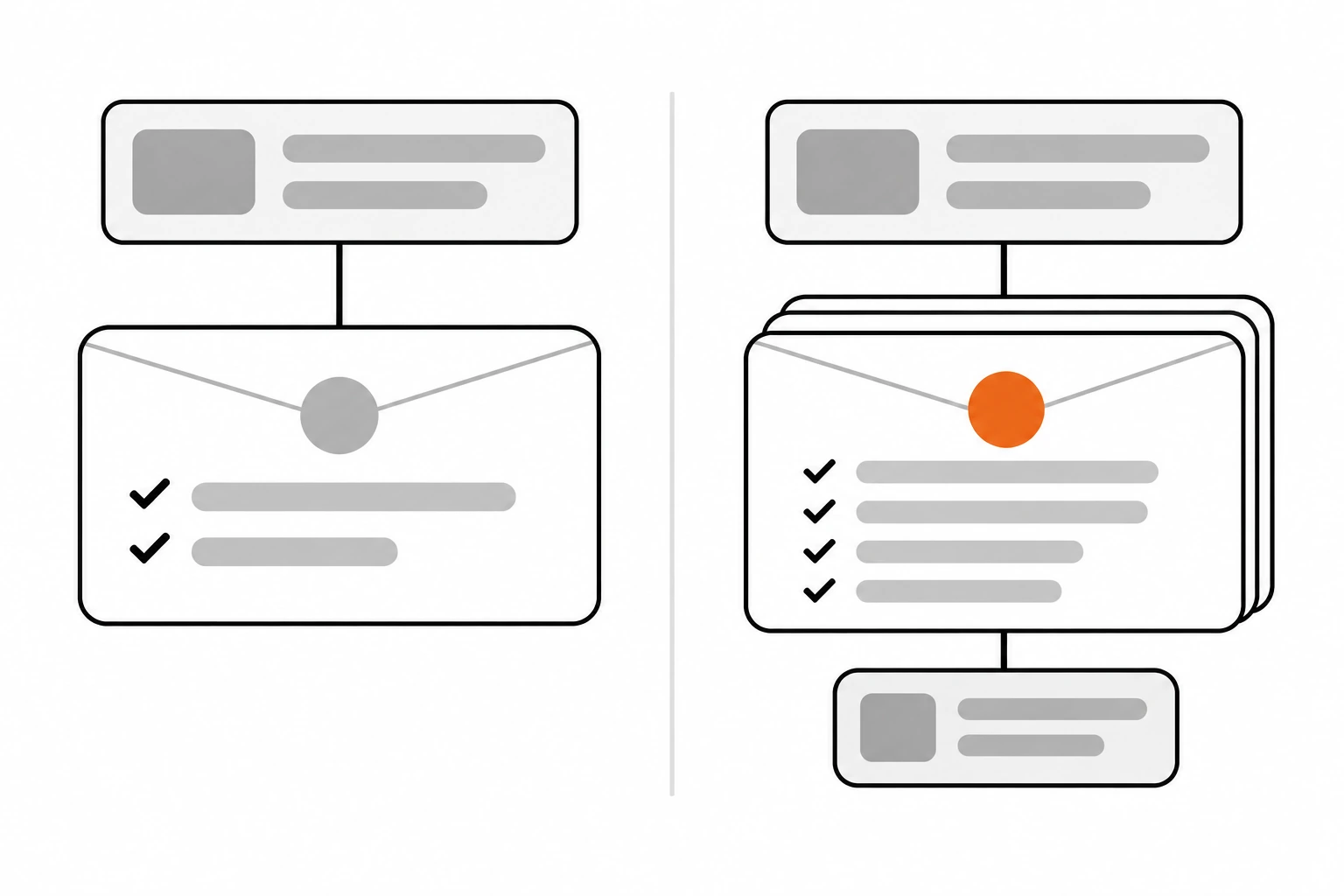
A single-page website is one URL that presents your offer, proof, and contact path in stacked sections, usually with anchor links instead of a page menu. It is enough when you have one primary service, one audience, and one clear next step, such as call, WhatsApp, or a short form. It is not enough when you need separate landing pages, a blog, member areas, or deep service trees.
Think of it as a focused brochure that scrolls. Hero, who it is for, what you do, a few proof points, FAQs, and a contact block. Visitors do not hunt through a sitemap. They read top to bottom and act, or they leave.
That shape works well for many Indian local businesses and freelancers: a consultant, a clinic with one main service line, a restaurant wanting reservations and menu highlights, a coach selling discovery calls. If your Google searches and WhatsApp questions all point to the same offer, a single page can carry the job without the weight of a multi-page site.
It stops being enough when content wants its own room. Separate service pages help when each service has different keywords, different FAQs, and different proof. A blog helps when you publish regularly and want search traffic over time. An online store, course platform, or client portal is a different product entirely. Forcing those into one endless scroll usually creates a site that is hard to edit and hard to rank for specific queries.
SEO is part of this decision. Google can index a single page fine. Google’s own SEO starter guide still starts with clear content, useful structure, and pages that match what people search for. One strong page can rank for a tight set of terms. It will struggle if you are trying to own ten unrelated service keywords on the same URL. In that case, more pages are not “more website for ego.” They are separate answers for separate searches.
If you are early, a single-page site is often the honest first version. You can always expand later once you know which sections people actually care about.
What drives cost beyond the homepage design?
Cost beyond the homepage design comes from extra pages, custom components, integrations, content work, accessibility, performance, and the number of stakeholders who must approve each screen. The pretty hero image is visible. The form that writes to a CRM, the image compression pipeline, and the third round of copy edits are where hours go.
Design uniqueness is a real lever. A carefully composed custom layout takes longer than adapting a proven pattern. Neither is wrong. Custom makes sense when brand is a selling point. A clean, familiar pattern makes sense when speed and budget matter more than novelty.
Interactions add cost quietly. Sticky headers, animated counters, carousels, parallax, and video backgrounds look small in a moodboard. Each one needs mobile behavior, reduced-motion handling, and testing. If your goal is leads, a fast page with a clear form usually beats a heavy animation reel. Performance is not free polish. Core Web Vitals from web.dev’s Web Vitals guidance are concrete signals for loading, interactivity, and visual stability. Hitting them on a phone on a mid-range Indian network takes deliberate image work and lean scripts, which is part of website cost whether it appears on the invoice or not.
Content operations matter more than people expect. Who writes the About section? Who crops the team photos? Who supplies GST details for the footer? Who proofreads Hindi and English if both are required? When that work lands on the developer by default, the build rate is covering copy and project management too.
Approvals also scale cost. One decision-maker who replies the same day is cheap. A committee that revisits the logo color every week is expensive, even if the page count never changes. Fixed-price quotes either bake in buffer for that, or they define a change process so the buffer does not become an argument.
Security and reliability sit in the same bucket. HTTPS, sane form rate limits, backups, and updates are not glamorous, but skipping them is how small sites get painful later. WordPress hosts and custom stacks both need a plan here. The WordPress requirements and install docs exist for a reason: the stack needs a supported PHP and database environment, not a random shared folder with no updates.
Domain, hosting, and maintenance: the recurring bits people forget
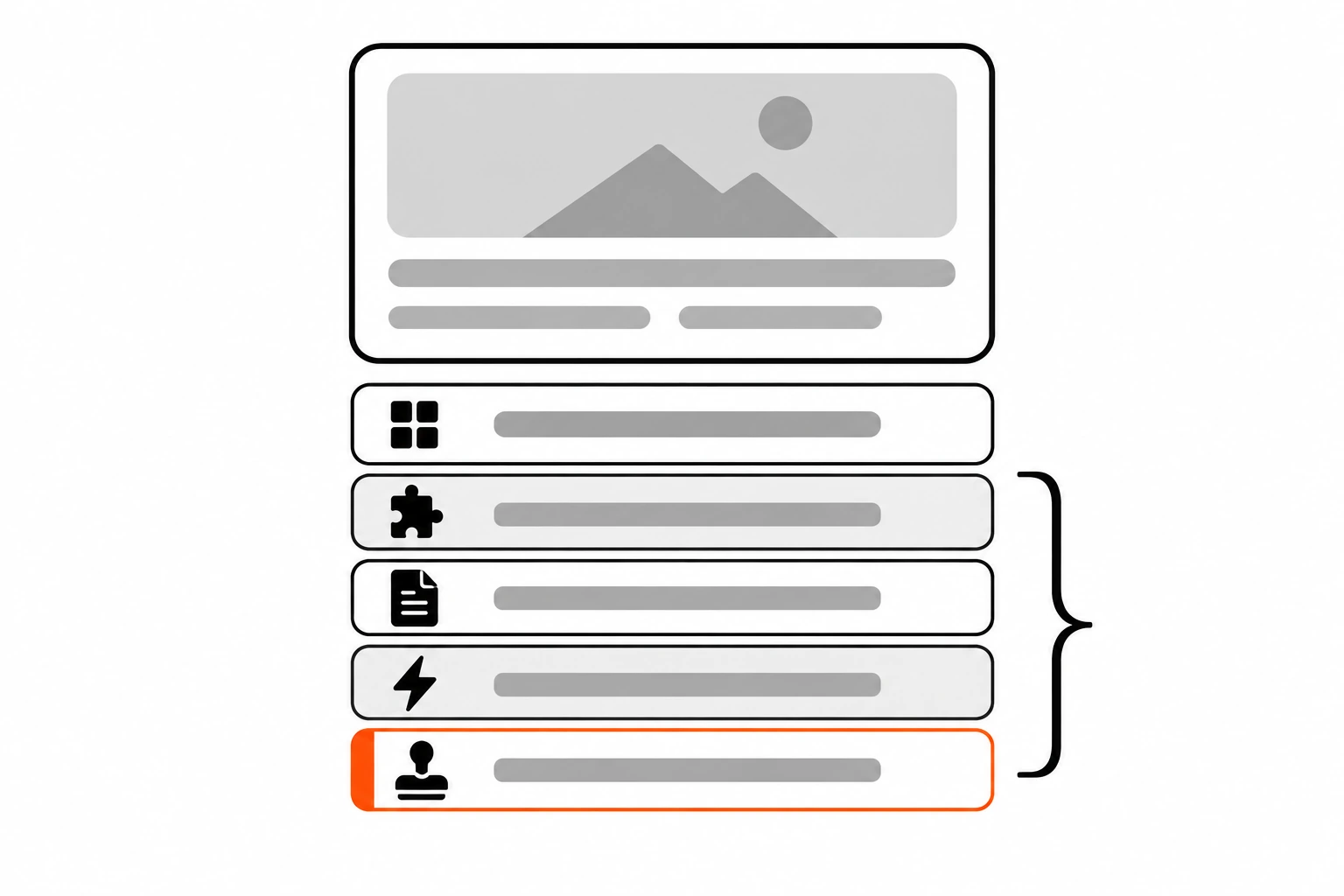
Domain, hosting, SSL, business email, backups, plugin or dependency updates, and small content edits are recurring costs. The build invoice is one-time. Keeping the site reachable, secure, and lightly updated is yearly or monthly. Many first-time buyers only compare build quotes and then feel blindsided by renewals.
A domain name renews on its own cycle. Hosting renews on its own cycle. Email might live with Google Workspace, Zoho, or your host. SSL is often included with modern hosting, but “often” is not “always,” so confirm it. None of this is the developer’s creative fee. It is infrastructure.
Maintenance is the fuzzy one. Some owners are happy to log into WordPress and change a phone number. Others want a message to their developer every time a banner needs a new date. Both are fine. They are different retainers. If you expect hands-on help after launch, say so before the build quote is locked. Otherwise you will either get ignored or get a surprise hourly bill.
Performance and caching also live in the recurring world. A site that was fast at launch can slow down after new plugins, unoptimized uploads, or a host change. I have written about WordPress performance and TTFB and about Cache-Control headers because those topics are where “hosting feels expensive” often starts. Paying a little more for a host that can cache well is sometimes cheaper than paying a developer to fight a slow origin every month.
Backups deserve a plain sentence. If the site is how customers find you, you want a restore path that is not “hope the laptop copy is fresh.” Ask who owns backups, how often they run, and whether anyone has tested a restore. That answer should be boring and specific.
WordPress vs custom React/Next.js: how the stack changes the bill
WordPress usually costs less to launch for content-heavy or brochure sites because themes, plugins, and a familiar admin cut build time. Custom React or Next.js costs more up front when you need app-like UI, custom data flows, or a headless setup, and it can cost less long-term when the product is software, not a brochure. The stack changes the bill by changing hours, hosting shape, and who can edit pages later.
WordPress is still a strong fit for many business sites in India. Non-developers can update pages. The plugin ecosystem covers forms, SEO fields, and common patterns. Hosting is widely available. The risks are familiar too: plugin bloat, slow themes, and updates that need attention. Those are manageable with a bit of discipline, which is why I have also written about WordPress myths developers still believe. The platform is rarely the real limit. The build decisions are.
A custom React or Next.js site shines when the interface is the product: dashboards, authenticated areas, complex client-side state, or a design system that has to stay consistent across a web app. Server Components and careful data fetching can keep pages fast, which I covered in Next.js Server Components in 2026. The trade-off is clear. You are funding engineering time, deployment setup, and a content workflow that may need a CMS on the side. For a five-section brochure, that is usually the wrong tool. For a product, it can be the right one.
Headless WordPress (WordPress as the content API, React or Next.js as the front end) sits in the middle. You get an editorial admin and a custom front end. You also get two systems to host, secure, and update. That can be worth it. It is not the default cheapest path.
So when website cost in India looks higher for a “simple” site, ask which stack was assumed. A custom front end quoted against a WordPress brief will always look padded if you only compare page counts.
| Need | Lean toward WordPress | Lean toward custom React/Next.js |
|---|---|---|
| Brochure or local business site | Yes | Rarely |
| Owner edits pages weekly | Yes | Only with a CMS plan |
| App-like UI or logged-in areas | Sometimes | Yes |
| Tight launch budget for a simple offer | Yes | Usually no |
| Design system shared with a product | Maybe | Yes |
What should you ask before you accept a quote?
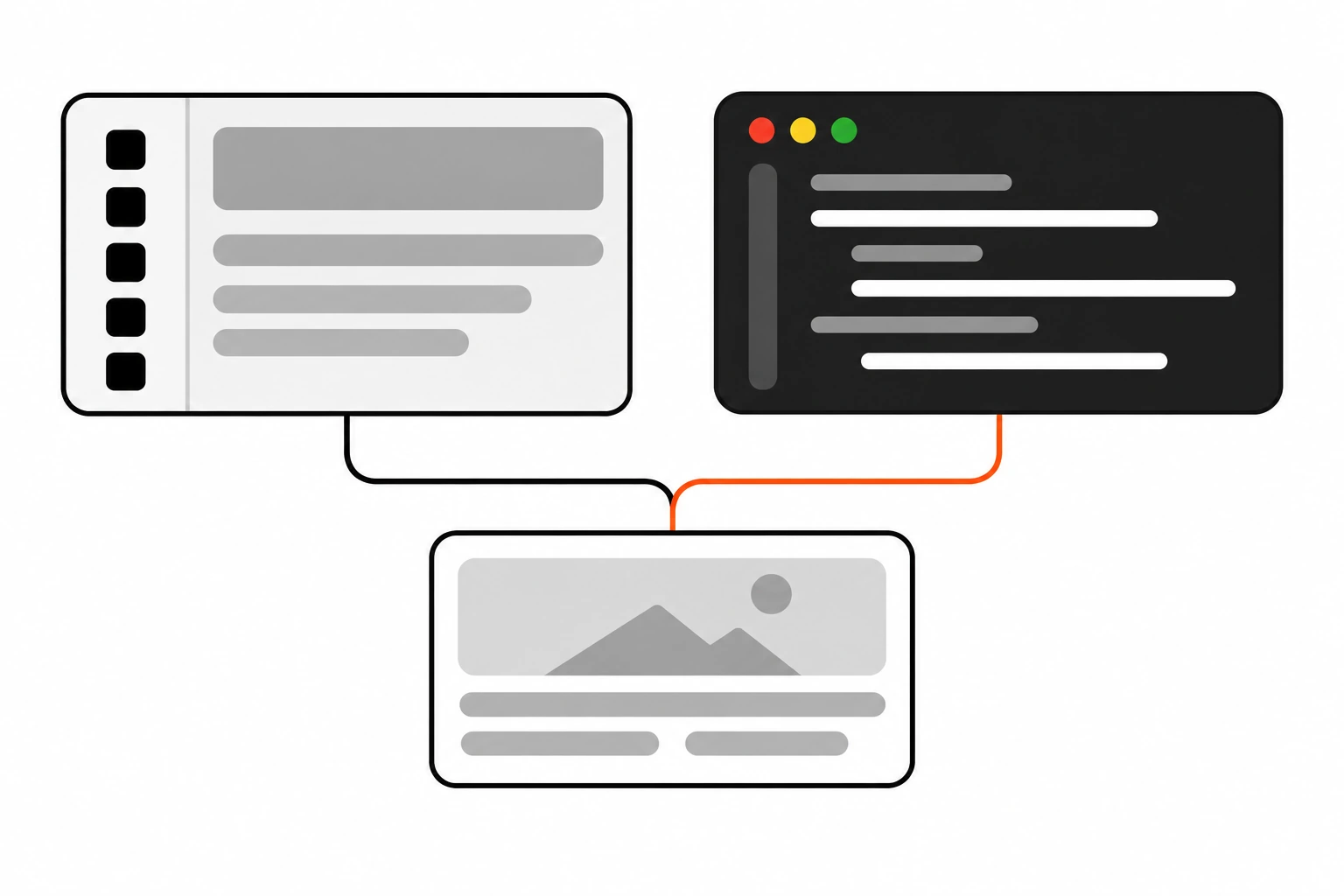
Before you accept a quote, ask for a written scope, a list of exclusions, revision limits, ownership of code and accounts, timelines with dependencies, and what support looks like after launch. A clear quote is one you can hand to another developer later and still understand. If the seller resists writing that down, treat the price as incomplete.
Here is a practical checklist I wish more buyers used:
- What pages and sections are included, named one by one?
- Who supplies copy, photos, and logo files, and what happens if they arrive late?
- How many design and content revision rounds are included?
- Is SEO limited to titles, meta descriptions, headings, and sitemap basics, or is content strategy included?
- Who buys and owns the domain, hosting, and email?
- Will I get admin access, staging access, and a handover note?
- What is the payment schedule, and what is due before launch?
- What counts as a change request after the scope is signed?
- How are bugs after launch handled, and for how many days?
- Will the site be mobile-tested on real phones, not just a desktop resize?
Also ask how forms are protected. Contact endpoints get abused. Rate limiting and basic spam controls are part of a grown-up launch, especially when the front end talks to custom endpoints.
If two quotes are close after you answer those questions, pick the person who communicates clearly. Ambiguous cheap work gets expensive in follow-up messages.
How I price a single-page site
My single-page website starts from ₹15,000. That starting point is for a focused one-page build with a clear offer, agreed sections, responsive layout, a contact path, and launch support inside a defined scope. It is not a promise that every site costs that amount, and I am not listing higher package tiers here because those depend on the brief.
I keep this number simple on purpose. People ask “what do you charge for a website?” as if every website is the same product. It is not. A single-page starting point exists so a small, well-bounded project has a floor that is honest for both of us.
What that starting point assumes, in plain language: one page, a sensible section list we agree up front, design that fits your brand without inventing a full brand system from scratch, mobile-friendly layout, a working contact method (form and/or WhatsApp), basic on-page setup, and getting the site live on your hosting or a host we choose together. Content should be mostly ready. Big rewrites mid-build, extra pages, custom app features, ecommerce, memberships, or heavy integrations sit outside that starting point and need their own conversation.
What it does not assume: unlimited revisions, weekly marketing retainers, paid ads setup, long-term content writing, or a guarantee about rankings. Search visibility depends on content quality, competition, and consistency over time. A site can be built well and still need ongoing work to earn traffic. I will be straight about that in the quote call rather than bury it in fine print.
If your needs are bigger, we scope them as bigger. I would rather send a clear proposal for the real project than stretch a single-page starting price until it snaps. That is how website cost in India stays understandable: name the product, name what is out of scope, and only then talk money.
Get a clear quote for your site
If you want a straight read on whether a single-page site fits, or what a larger build would need, tell me what the business does, who it is for, and what you want visitors to do. A short brief beats a long moodboard.
You can reach me on the contact page, message me on WhatsApp, or email pdarshan888@gmail.com. I will reply with questions that tighten the scope before anyone talks final numbers.
Website cost in India gets less mysterious when the deliverables are written down. That is the whole point of this post.