

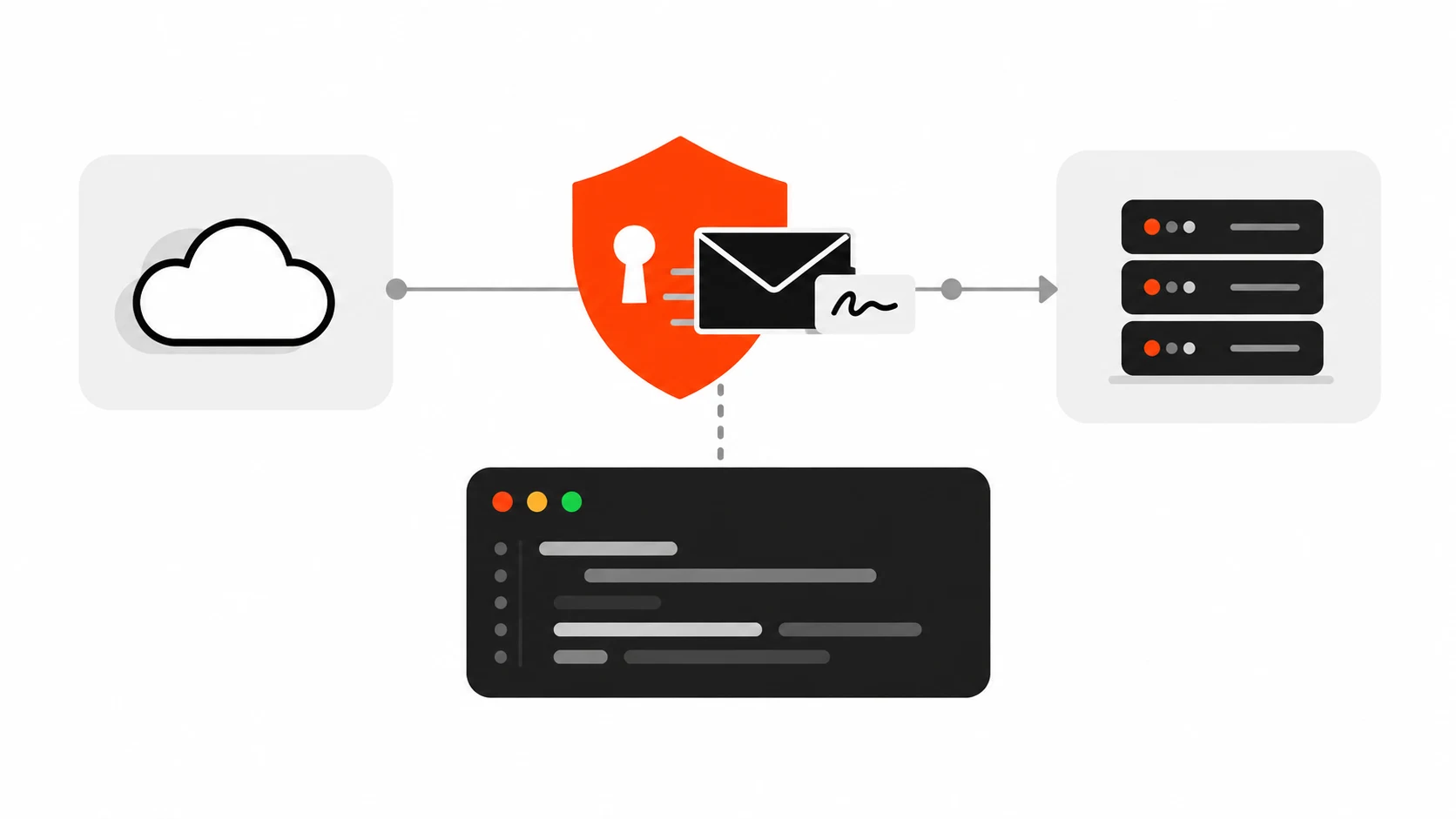
How to Verify Webhook Signatures (HMAC) the Right Way in Node.js, Next.js and WordPress
Your webhook URL is public, so anyone can post fake events to it. Here is how I verify HMAC webhook signatures with the raw body, constant-time comparison and timestamp checks, with working Express, Next.js and WordPress code.
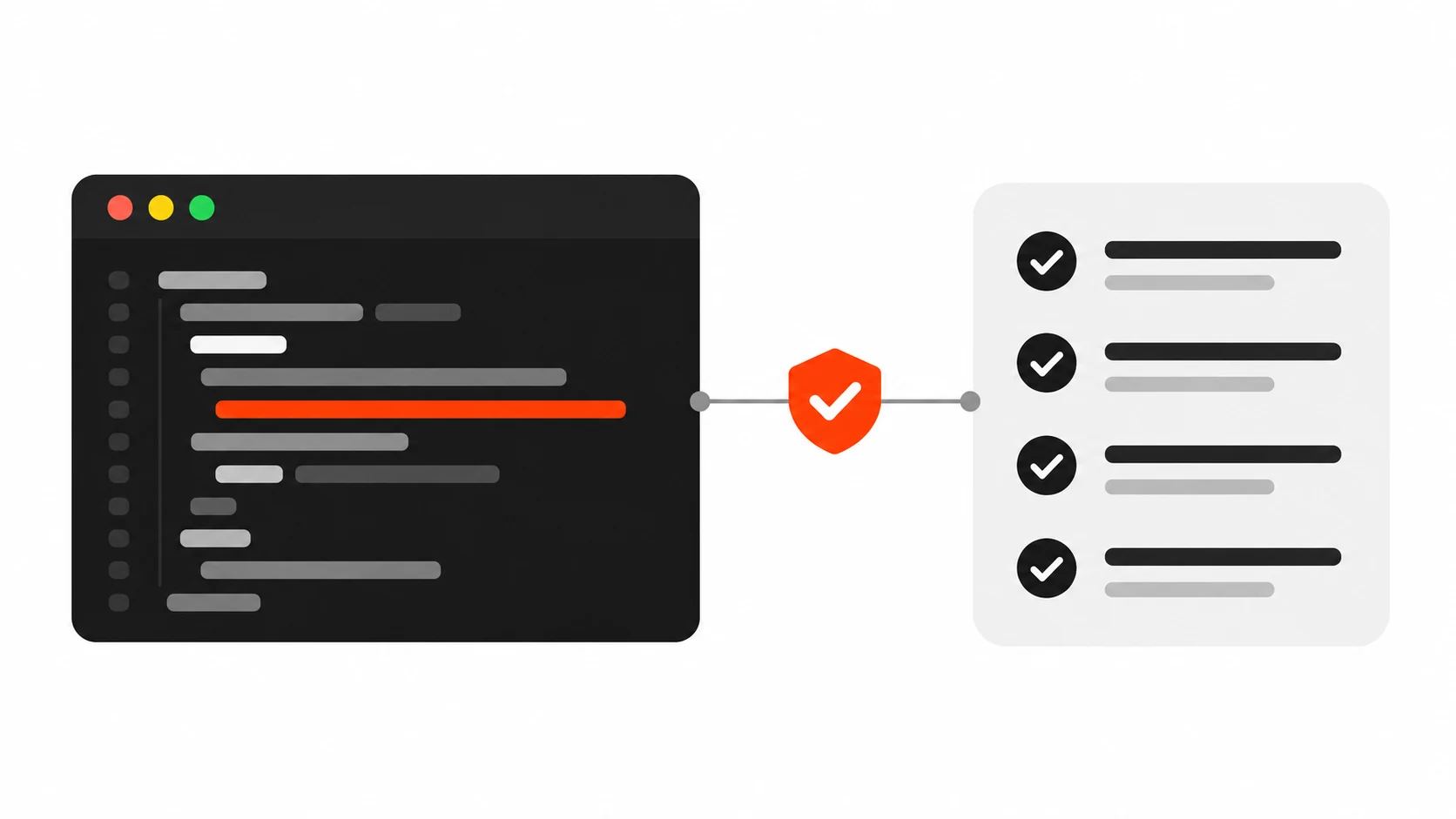
TypeScript satisfies Operator: Type-Safe Config Without Losing Inference
Type annotations quietly widen your config objects. Learn how the TypeScript satisfies operator and as const give you strict checks and precise inferred types, with real patterns and common mistakes.
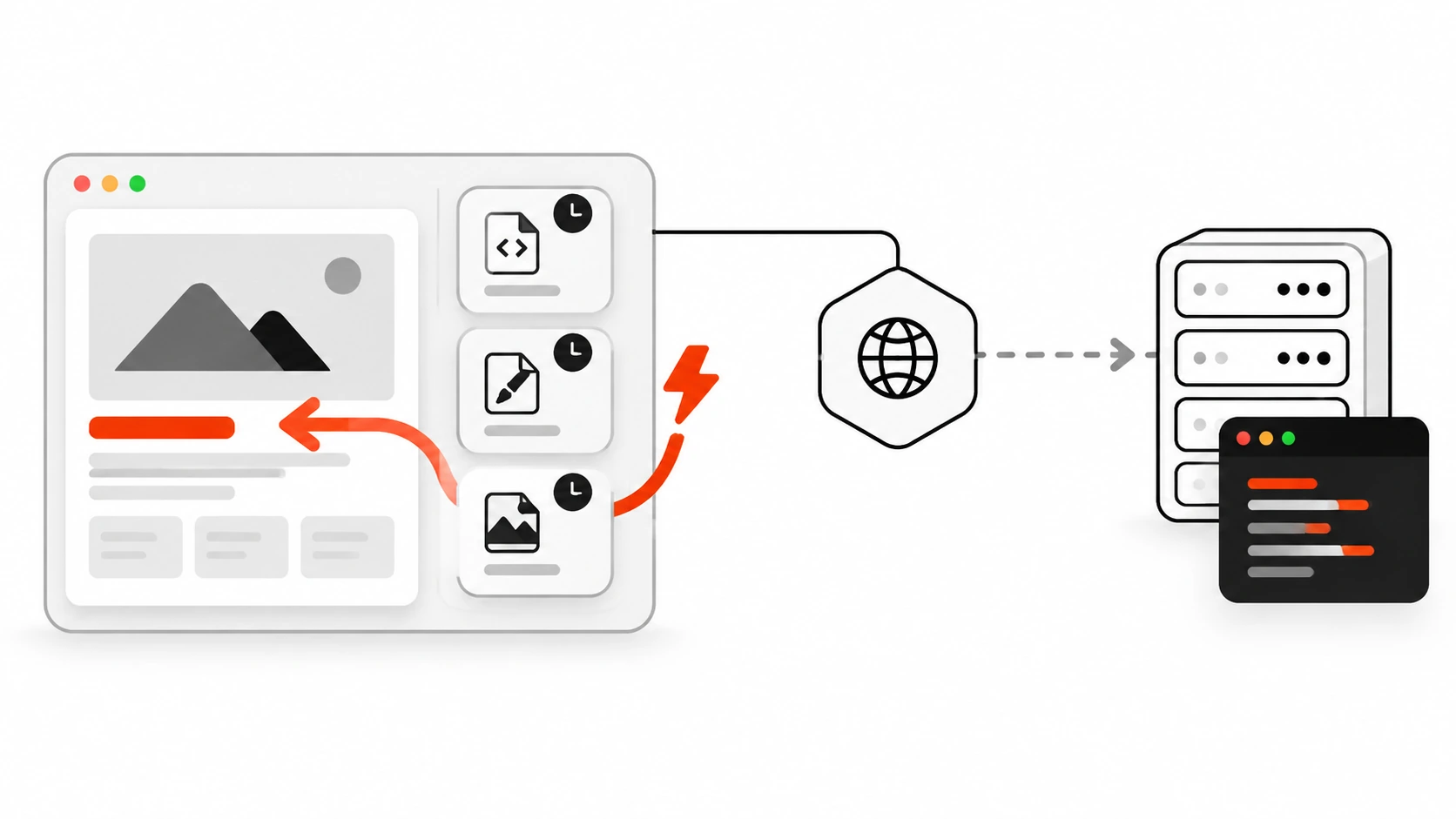
Cache-Control Headers in 2026: Caching Rules That Make Repeat Visits Instant
How I set Cache-Control headers on client sites: hashed assets cached for a year, HTML revalidated with ETags, private pages kept out of shared caches, and CDN rules that just work.

JSON-LD Structured Data in 2026: Schema Markup That Still Earns Rich Results
How I add JSON-LD structured data to client sites in 2026: the schema types that still earn rich results, one connected @graph, safe Next.js and WordPress output, and testing in CI.

Speculation Rules API in 2026: Prerender the Next Page Before the Click
How I use the Speculation Rules API on client sites: prefetch vs prerender, document rules, eagerness levels, safe exclusions, prerender-aware analytics, and WordPress 6.8 speculative loading.

Idempotency Keys in 2026: Stop Duplicate Payments and Double Submits in Your API
Learn how idempotency keys stop duplicate payments and double submits: the Idempotency-Key header, Postgres and Redis storage, 409 and 422 handling, safe retries, and webhook dedupe.
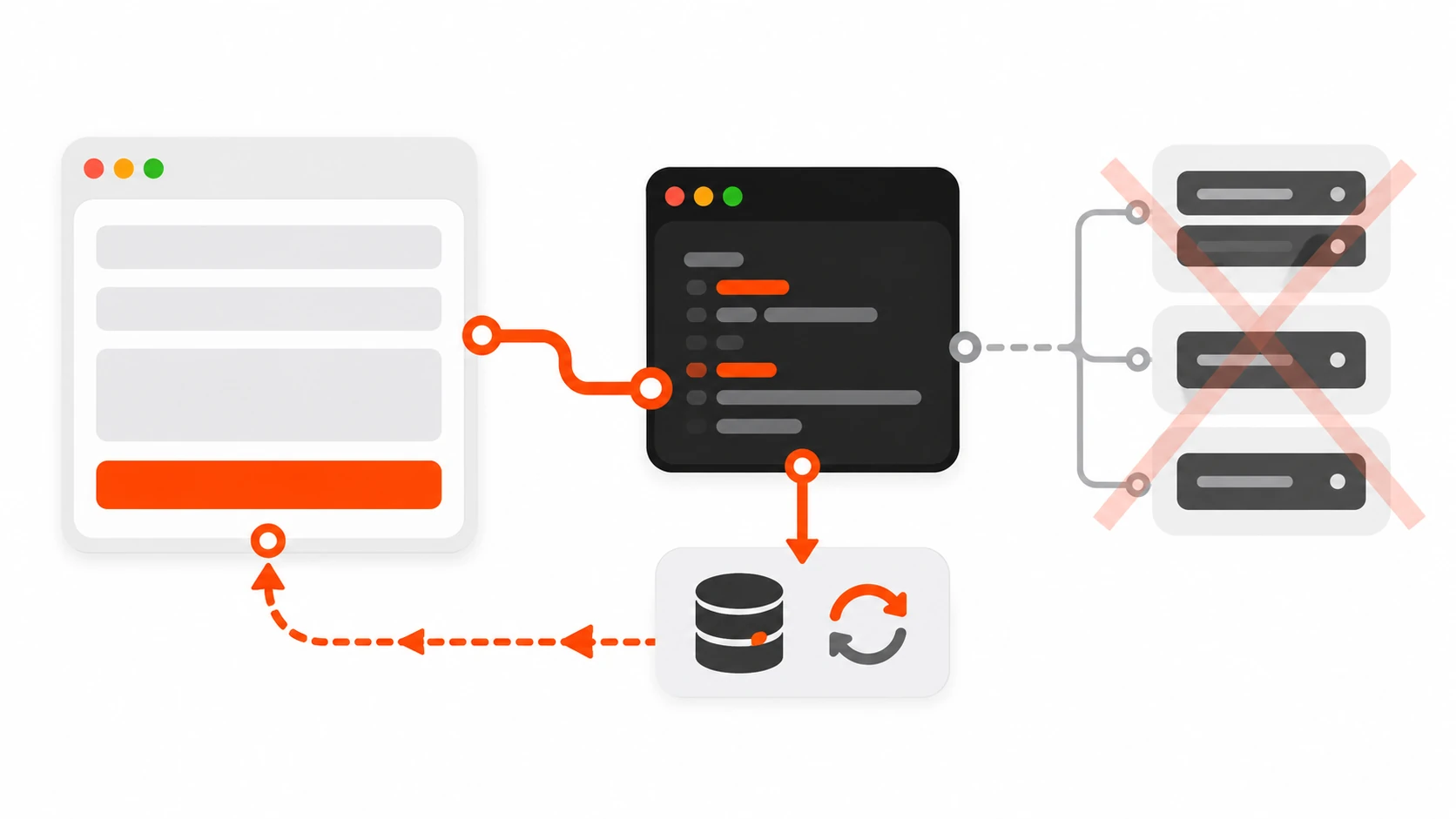
React Server Actions in 2026: Forms and Mutations Without Extra API Routes
Practical Next.js Server Actions for client sites in 2026: progressive forms, useActionState, validation, auth cookies, revalidatePath/Tag, CSRF, and when to use Route Handlers instead.

Content Security Policy in 2026: Lock Down XSS Without Breaking Your Scripts
Practical CSP in 2026: report-only rollout, nonces vs hashes vs strict-dynamic, WordPress and Next.js headers, GTM, and a checklist to stop XSS without breaking scripts.
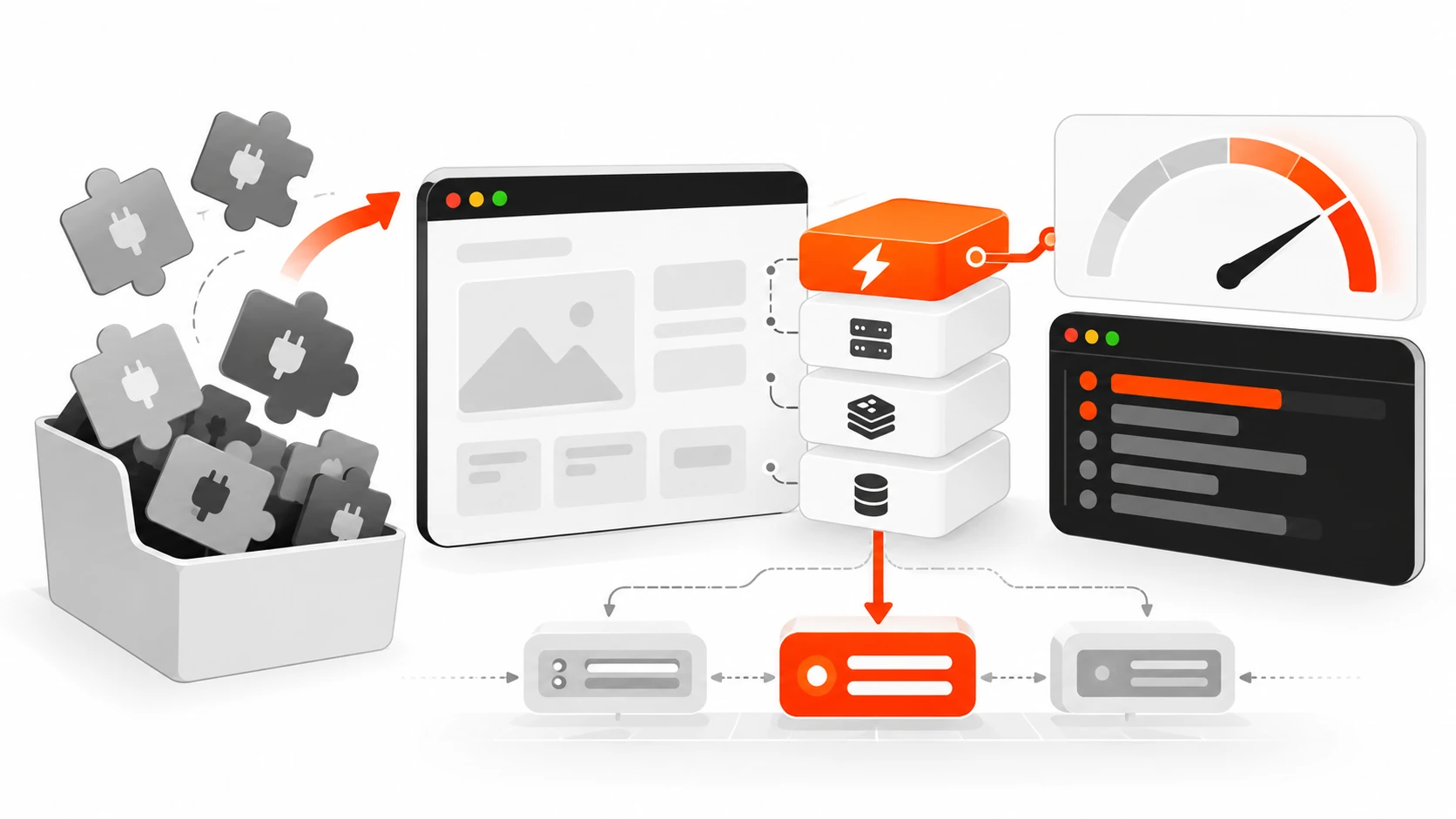
WordPress Performance in 2026: Cut Plugin Bloat and TTFB Without Breaking Features
Cut WordPress plugin bloat and TTFB in 2026 with Query Monitor, one page-cache layer, Redis object cache, autoload audits, and CDN tips that keep features working.

Playwright Testing in 2026: Catch Broken User Flows Before Clients Do
Learn Playwright end-to-end testing in 2026: role-based locators, web-first assertions, auth storage state, API seeding, traces, and CI that catches broken user flows before clients do.
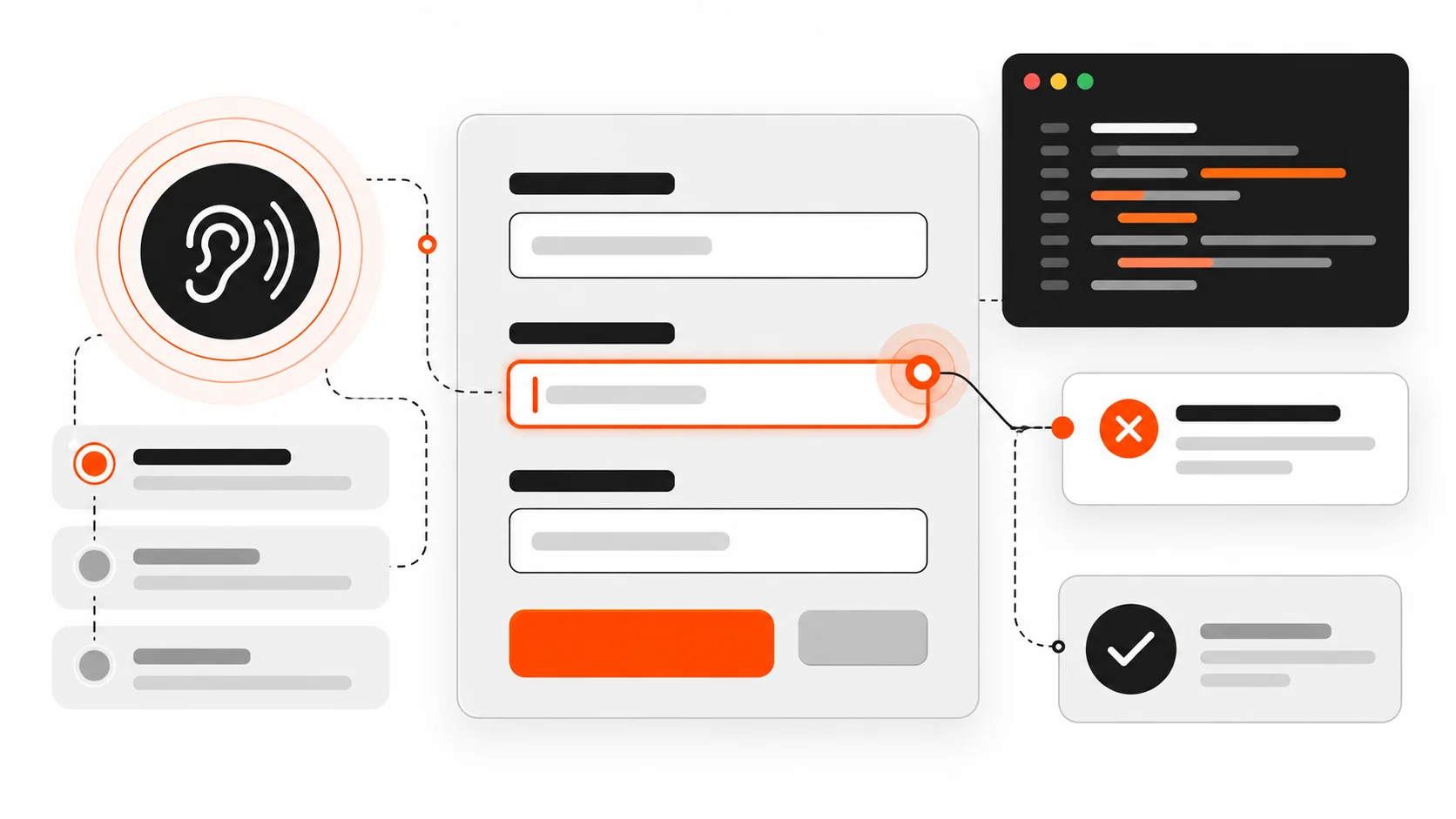
Accessible Forms in 2026: Labels, Errors, and Focus That Screen Readers Trust
Learn accessible forms in 2026 — native labels, aria-describedby errors, focus after submit, live regions, autocomplete tokens, and keyboard plus screen reader testing for React and WordPress.

TypeScript Discriminated Unions in 2026: Make Impossible UI States Unrepresentable
Learn TypeScript discriminated unions in 2026 — model UI state machines, narrow with switch, exhaustiveness via never, and stop shipping impossible loading/error/success combinations.