

Web Performance
Make sites feel instant: Core Web Vitals, INP, caching headers, prerendering and view transitions.
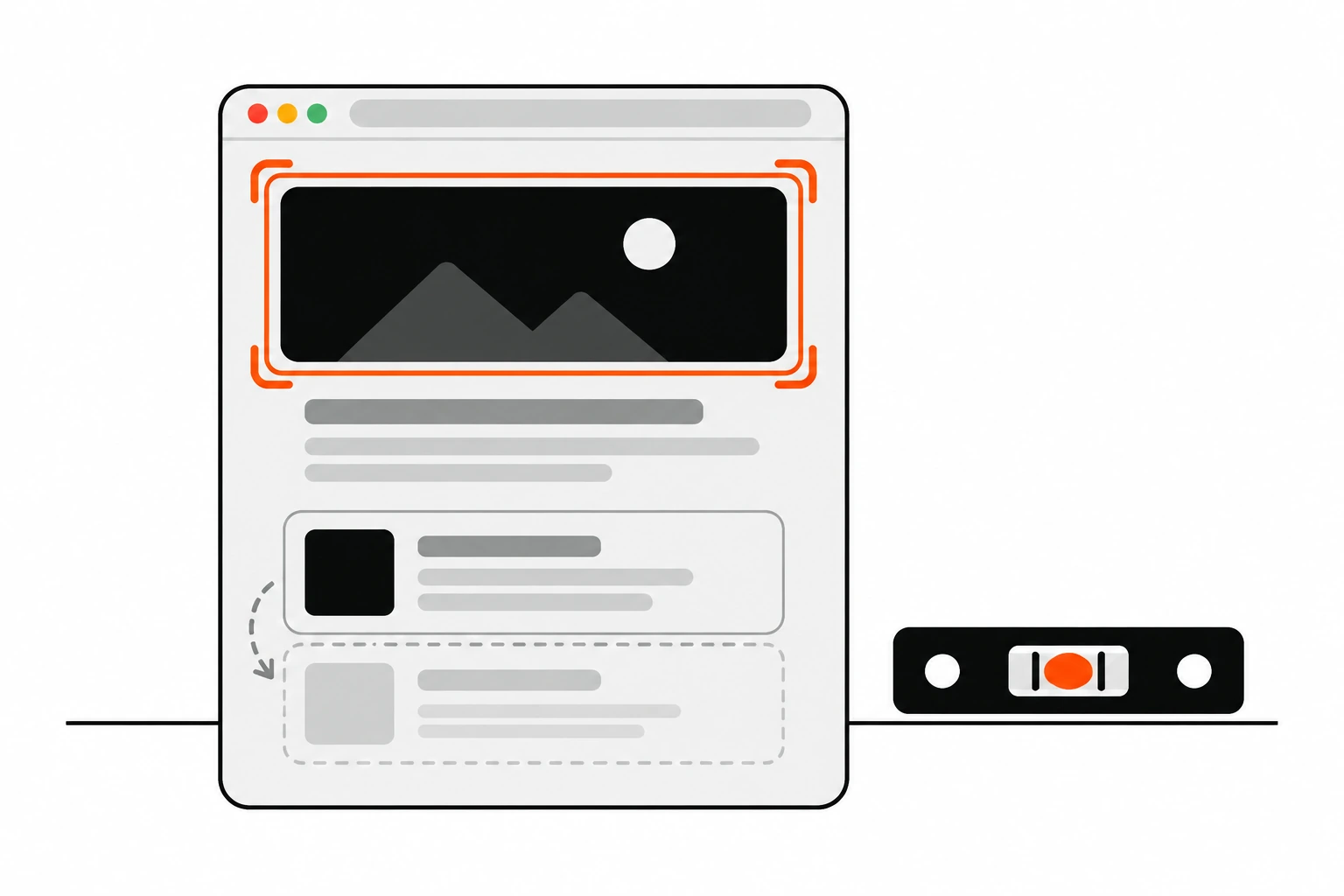
Cumulative Layout Shift (CLS): How to Find and Fix What Moves Your Page
Cumulative Layout Shift measures how much your page jumps around while people use it. Here’s how the CLS score is calculated, what counts as unexpected, the usual causes, fixes for images, ads, embeds, web fonts and banners, measuring it with PerformanceObserver and web-vitals, and why Lighthouse and Search Console disagree.
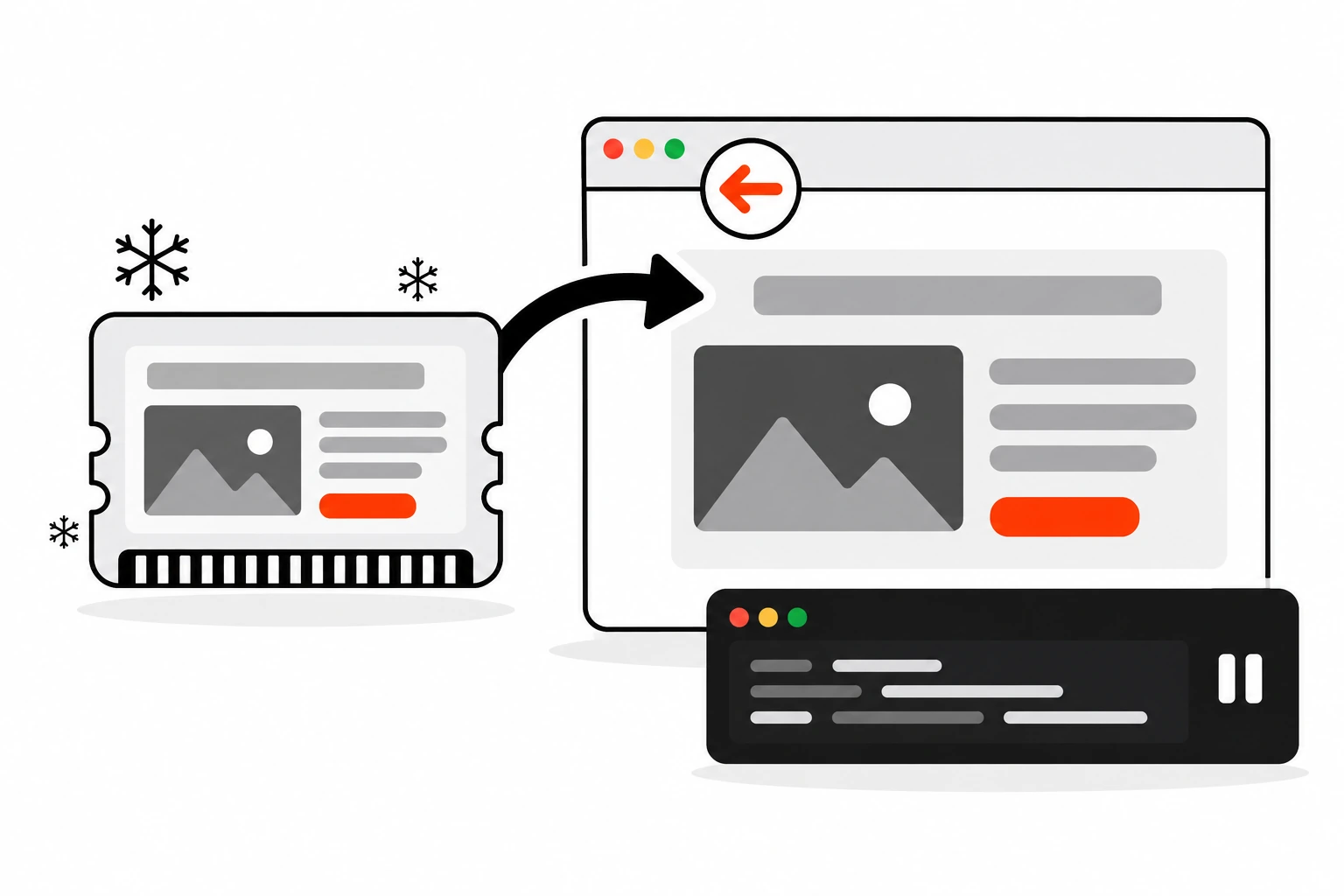
bfcache: How to Make Back Button Navigation Instant (and What Blocks It)
bfcache keeps a page frozen in memory so the back button restores it instantly. Here’s what blocks it, from unload listeners and Cache-Control: no-store to open connections, plus how I test it in DevTools and refresh stale data on restore.
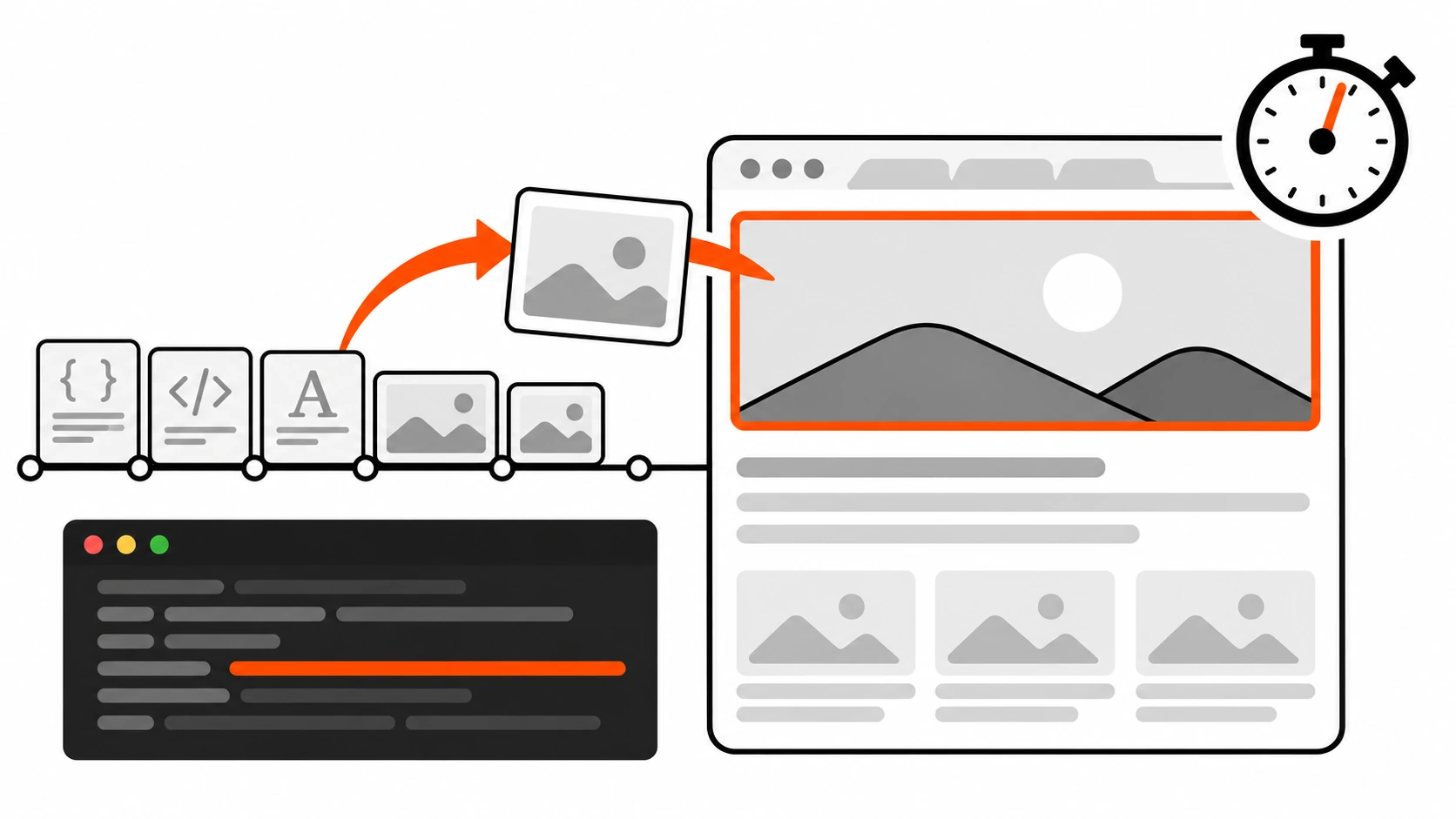
LCP Image Optimization: Make Your Hero Image Load First With fetchpriority, Preload, and srcset
How I fix a slow LCP image: skip lazy-loading, add fetchpriority=high, preload only when needed, and size srcset right in Next.js and WordPress.
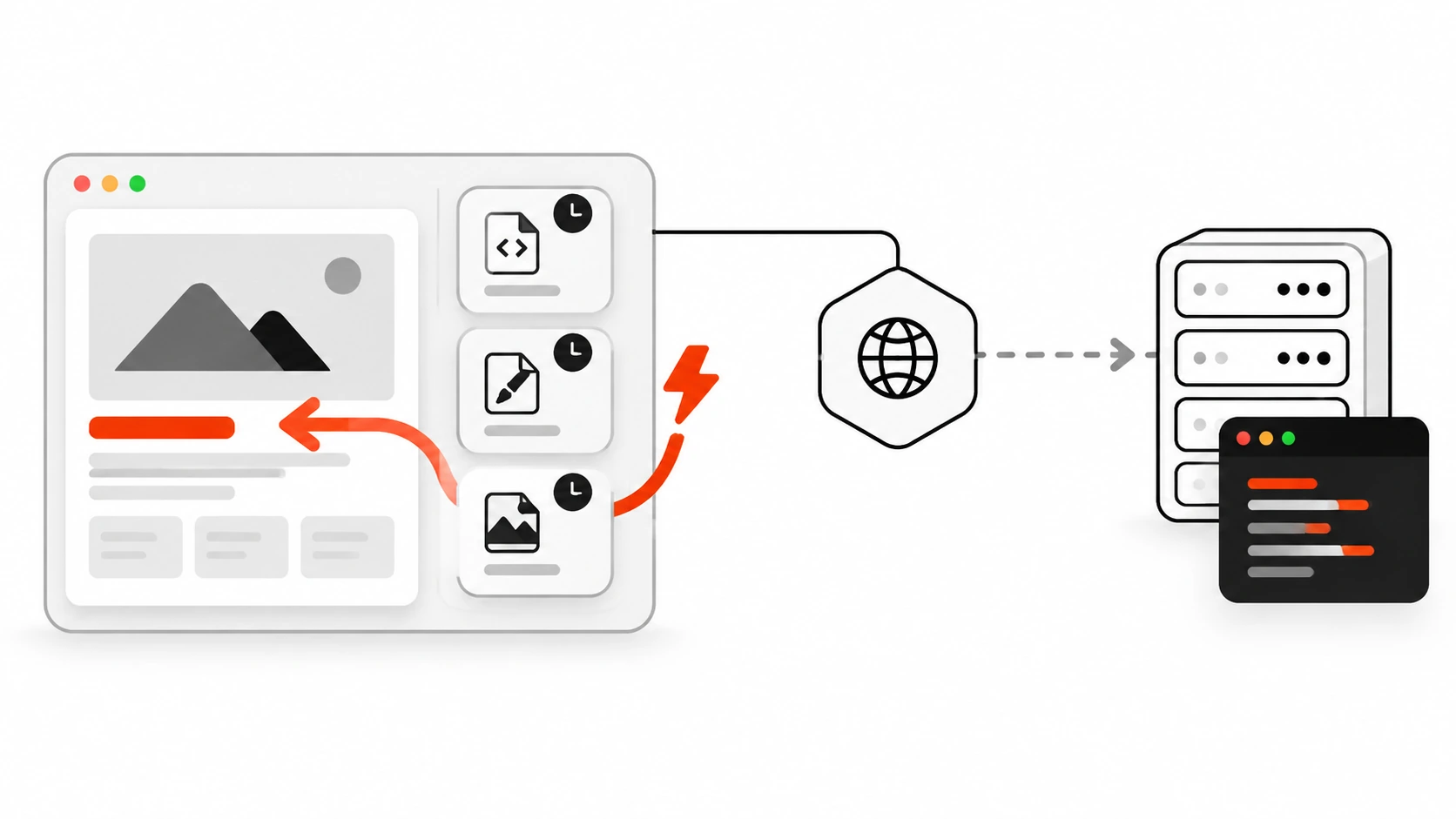
Cache-Control Headers in 2026: Caching Rules That Make Repeat Visits Instant
How I set Cache-Control headers on client sites: hashed assets cached for a year, HTML revalidated with ETags, private pages kept out of shared caches, and CDN rules that just work.
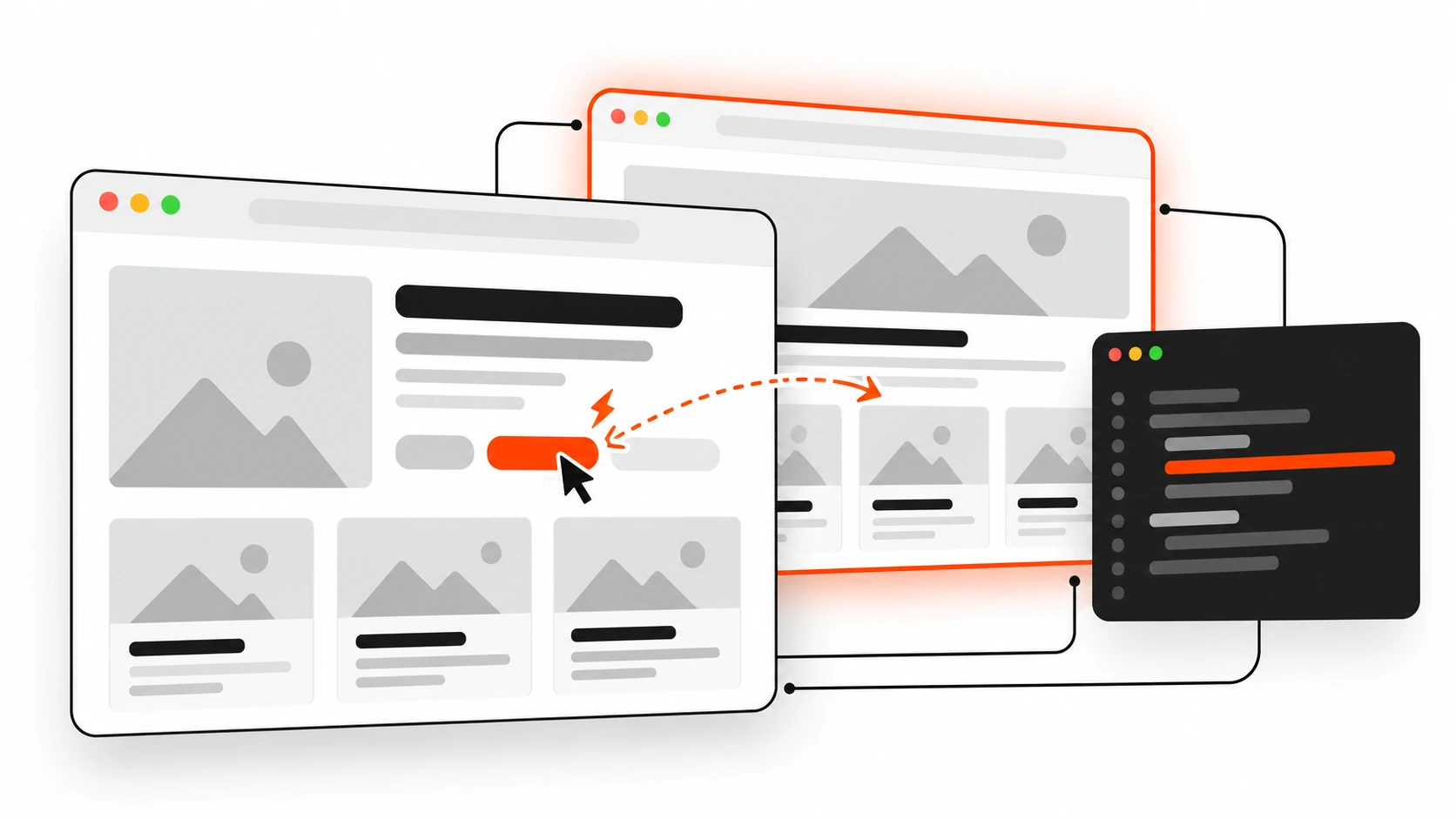
Speculation Rules API in 2026: Prerender the Next Page Before the Click
How I use the Speculation Rules API on client sites: prefetch vs prerender, document rules, eagerness levels, safe exclusions, prerender-aware analytics, and WordPress 6.8 speculative loading.
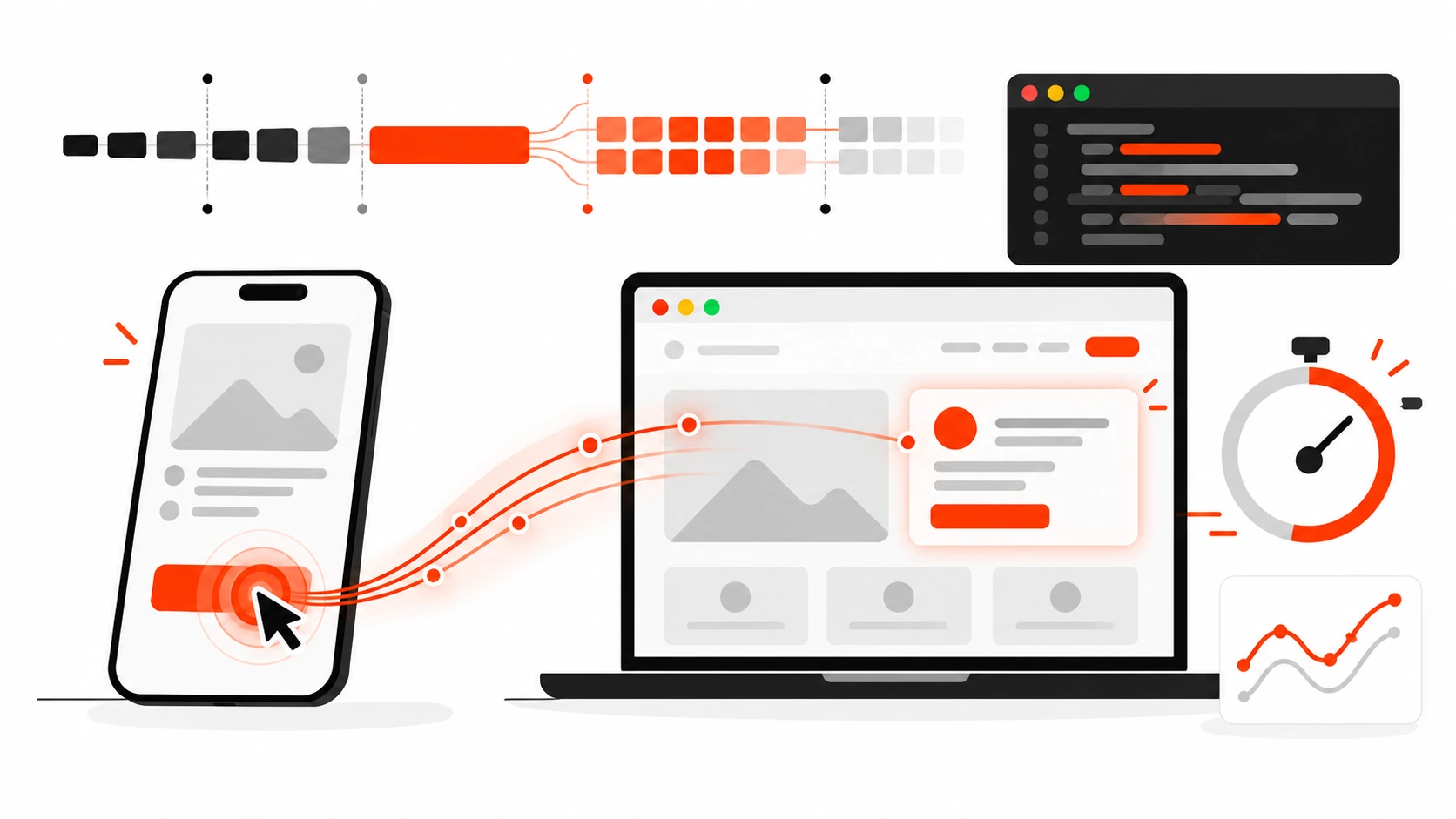
Interaction to Next Paint in 2026: Fix Slow Clicks Before They Cost Rankings
If your site looks fast but feels sticky when people tap a button, Google already knows. Interaction to Next Paint (INP) is the Core Web Vital that measures how quickly your page responds after a click, tap, or keypress. In 2026 it is still one of the clearest signals that separates a polished product from […]
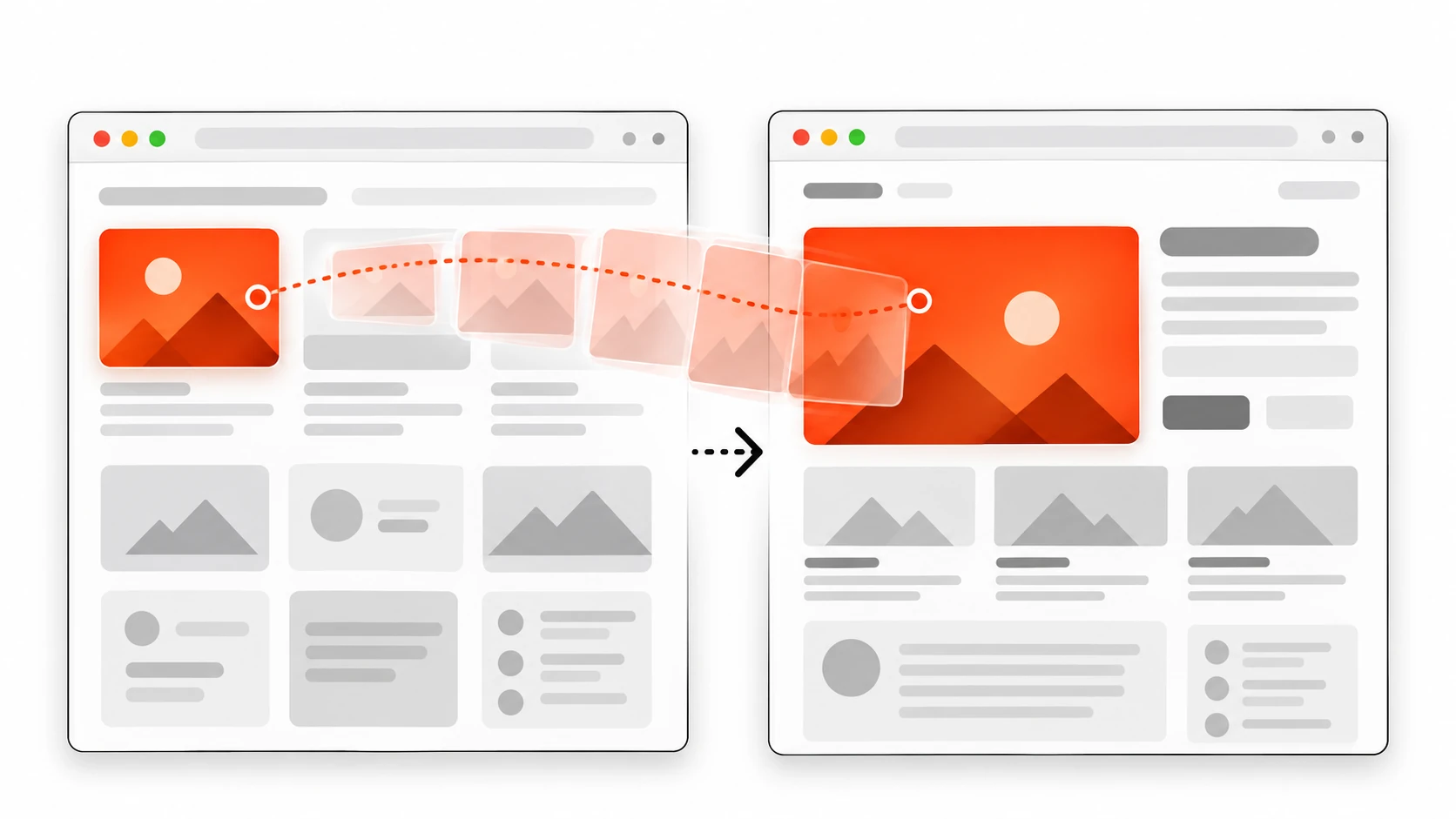
Cross-Document View Transitions in 2026: Smooth Page Changes Without an SPA
Learn cross-document view transitions for MPAs in 2026: @view-transition navigation auto, view-transition-name, pageswap, pagereveal, timeouts, aspect-ratio warping, and when to skip the SPA router.