



Bhrighu Academy
A Laravel site and admin for a Japan-careers academy: a lead-gated career guide, four calculators and a readiness assessment that syncs scores to the CRM.
Read the case studySoftware that fits how you work
Portals, dashboards and internal tools built on Laravel, Node or React.
From ₹1,50,000. A custom web app starts from ₹1,50,000 for up to 8 screens, then ₹6,000 for each extra screen.
A custom web app is software that runs in the browser and is built around your process: a client portal, a dashboard, a booking or lead system, or an internal tool. I build them with Laravel, Node and React, after planning the data and user flows so they stay easy to grow.
When spreadsheets, email threads and off-the-shelf tools stop fitting your process, a custom web app brings the work into one place: logins, roles, data, reports and automation.
The key to a good app is the plan: who uses it, what they do, what data exists and how it changes. Building in small steps lets you use the app early and steer it.
Who can see and do what, set up properly.
Tables and relationships planned before code.
Your numbers in a form people can use.
Payments, email, calendars and other tools connected.
Repetitive steps handled by the system.
Validation, access control and safe handling of data.
Who does what today, where it breaks, and what a better version looks like.
Screens, roles, data and integrations are mapped before building.
You can try each piece and steer the next.
Deployment, handover, documentation and help after go-live.
A realistic timeline comes with the quote. No one-size-fits-all packages. You get a fixed quote after a short call.
Drag to turn raw rows into a dashboard. Illustration only.
MythCustom software means a giant project.
RealitySmall first releases deliver value early.
// Ship the shed before the skyscraper.MythA spreadsheet is fine forever.
RealityIt works until two people edit it at once.
// 'final_v7_REAL.xlsx' is a cry for help.MythApps are only for startups.
RealityMany ordinary businesses run on small internal tools.
// Boring software is the best software.MythSecurity can be added later.
RealityAccess control and validation belong in the first version.
// Locks are easier to fit before you move in.# model the data before you draw the screens$ php artisan migrate # schema changes, tracked and reversible# rule 1: never trust user input$ docker compose up # same environment everywhere# ship the smallest useful version first$ git log --oneline # history is documentationLive websites from my portfolio. Screenshots show the sites as they look today.
A Laravel site and admin for a Japan-careers academy: a lead-gated career guide, four calculators and a readiness assessment that syncs scores to the CRM.
Read the case study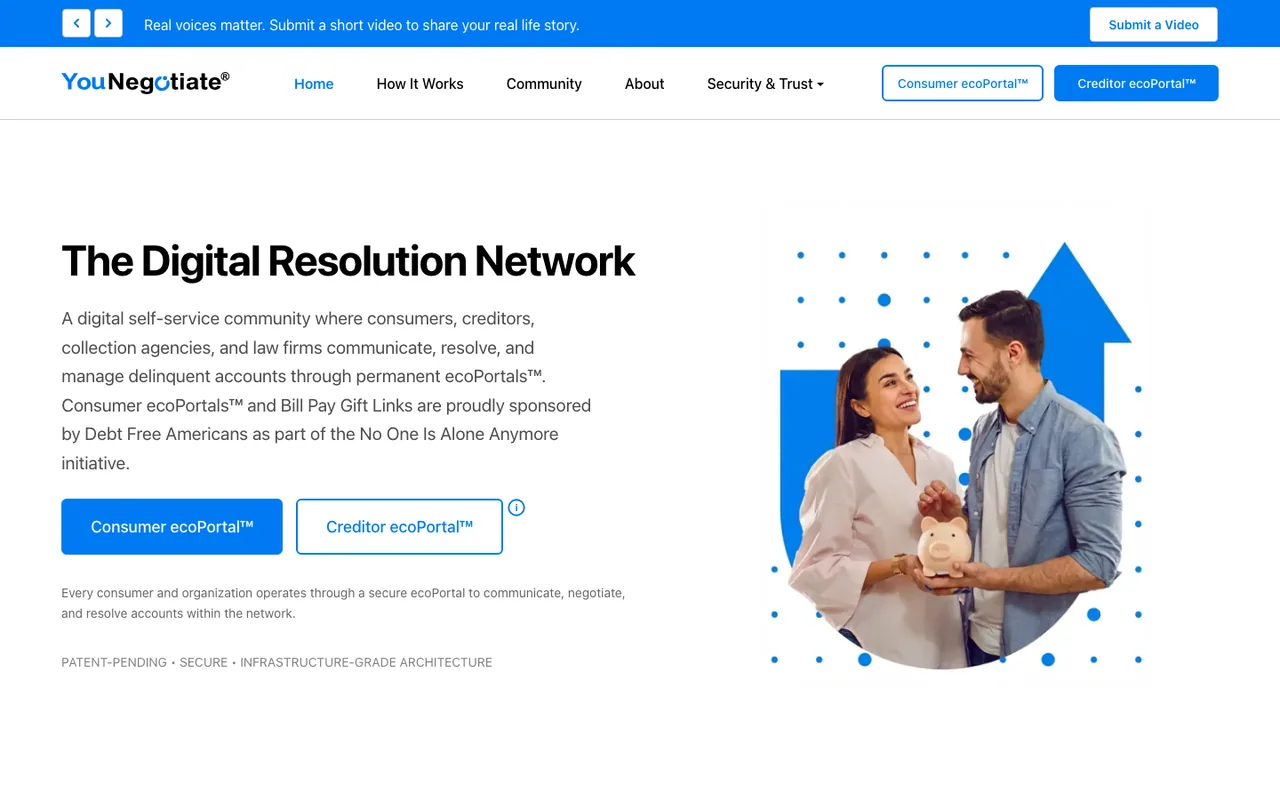
Rebuilt the marketing site of a consumer-debt fintech network on a custom WordPress theme, with a plugin that lets consumers and creditors submit stories for approval.
Read the case study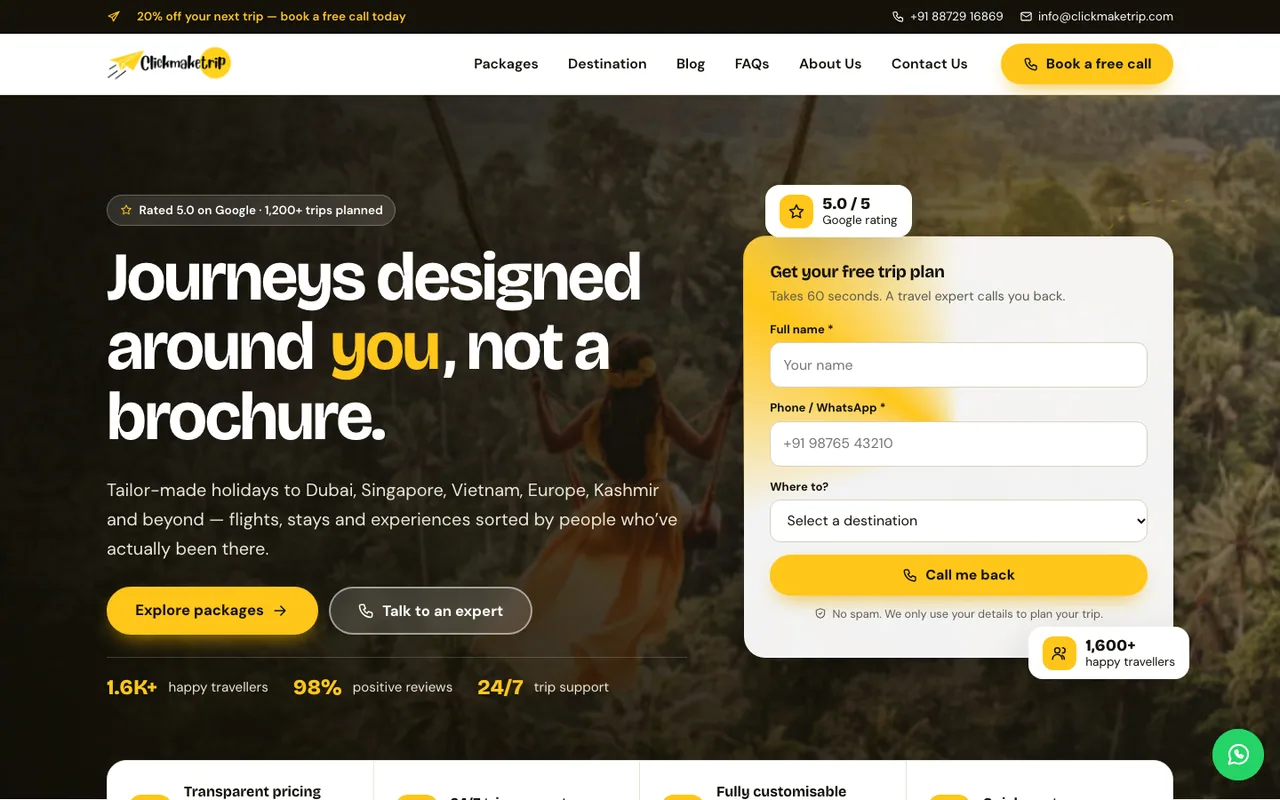
Rebuilt a travel agency's site on a custom theme and custom plugins, with a free trip-plan form that feeds a lead system.
Read the case study| Off-the-shelf tool | Custom web app | |
|---|---|---|
| Fit to your process | You adapt to it | It adapts to you |
| Start | Fast | Needs planning |
| Integrations | Limited to what exists | As needed |
| Ownership | A subscription | Yours |
A custom web app starts from ₹1,50,000 for up to 8 screens, then ₹6,000 for each extra screen. No one-size-fits-all packages. You get a fixed quote after a short call.
Payment terms and the schedule are agreed in writing before work starts. Changes in scope are priced before any extra work.
Yes. Beyond websites, I build custom web applications such as dashboards, client portals, booking or internal tools, and workflow automation.
On the front end I mostly work with React, Next.js, Vue.js, TypeScript, and Tailwind. On the back end I use Node.js, PHP, or Laravel with databases like MySQL, PostgreSQL, or MongoDB, depending on what fits the project.
I plan the data and user flows carefully before building, so the app stays easy to grow and maintain as your needs change.
It is software built for your specific process that runs in a browser, such as a client portal, dashboard, booking system or internal tool, with logins, data and reports.
When visitors need to log in, manage data, make bookings or when your team needs a shared tool. A website mostly presents information, and an app lets people do work.
On the back end I use Node.js, PHP or Laravel with databases like MySQL, PostgreSQL or MongoDB. On the front end I mostly use React, Next.js, TypeScript and Tailwind.
I plan the data and user flows first, write readable code, and release in small steps so the app stays easy to grow.
Often yes. I connect to your database or API and turn the data into views your team can use.
Yes. Booking flows, lead capture and follow-up automation are common projects.
Every project is different, so I do not use one-size-fits-all packages. After a short call to understand what you need, I send a fixed quote that clearly lists what is included.
The budget range on the contact form just helps me suggest the right approach for your budget. It is not a price list.
Payment terms and the schedule are agreed in writing before any work starts, so there are no surprises. If the scope changes along the way, I will tell you the impact on cost and time before doing the extra work.
It depends on the scope. A single landing page is a very different job from a multi-page WordPress site, an online store, or a custom web app. The amount of content that is ready, the number of integrations, and how quickly feedback comes back all affect the timeline too.
After our first call I share a realistic timeline along with the quote, broken into stages so you know what to expect and when. If you have a fixed launch date, tell me early and I will be honest about whether it is achievable.
Clearly and often. I would rather over-communicate than leave you wondering what is happening. You get regular updates on what is done, what is next, and anything that is blocking progress.
We can use whatever suits you best: email, WhatsApp, or video calls for bigger decisions. I explain technical things in plain English, so you never have to nod along to jargon.
If something goes wrong or a decision needs your input, you will hear it from me straight away.
Yes. Once the project is fully paid, the website, your content, and the custom code I write for it belong to you. I hand over the access and files you need, and I am happy to set up hosting, domain, and admin accounts in your name from day one.
The only exception is third-party software such as premium plugins, themes, or paid services. Those stay under their own licenses, and I will always tell you upfront if a project needs one.
WordPress for editing, a fast React or Astro front end for visitors. This site runs on it.
Updates, backups, security checks and small changes from the person who built it.
Core Web Vitals, schema, and the structured answers Google and AI assistants quote.
Based in Jamnagar, Gujarat, working with clients across India and abroad.
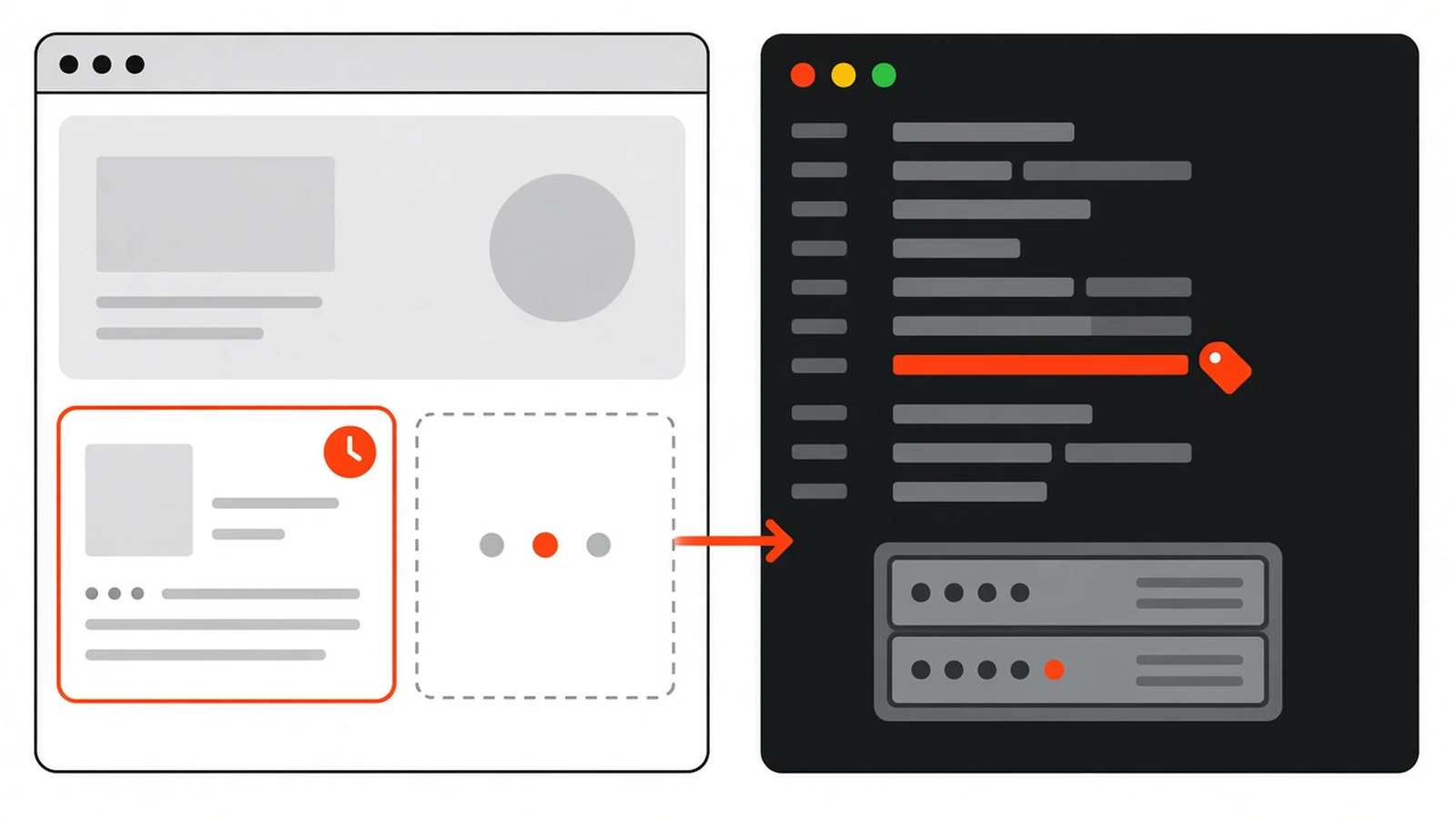
How Next.js use cache works with Cache Components: cacheLife profiles, revalidateTag vs updateTag, WordPress webhooks and the Nov 2026 security patches.
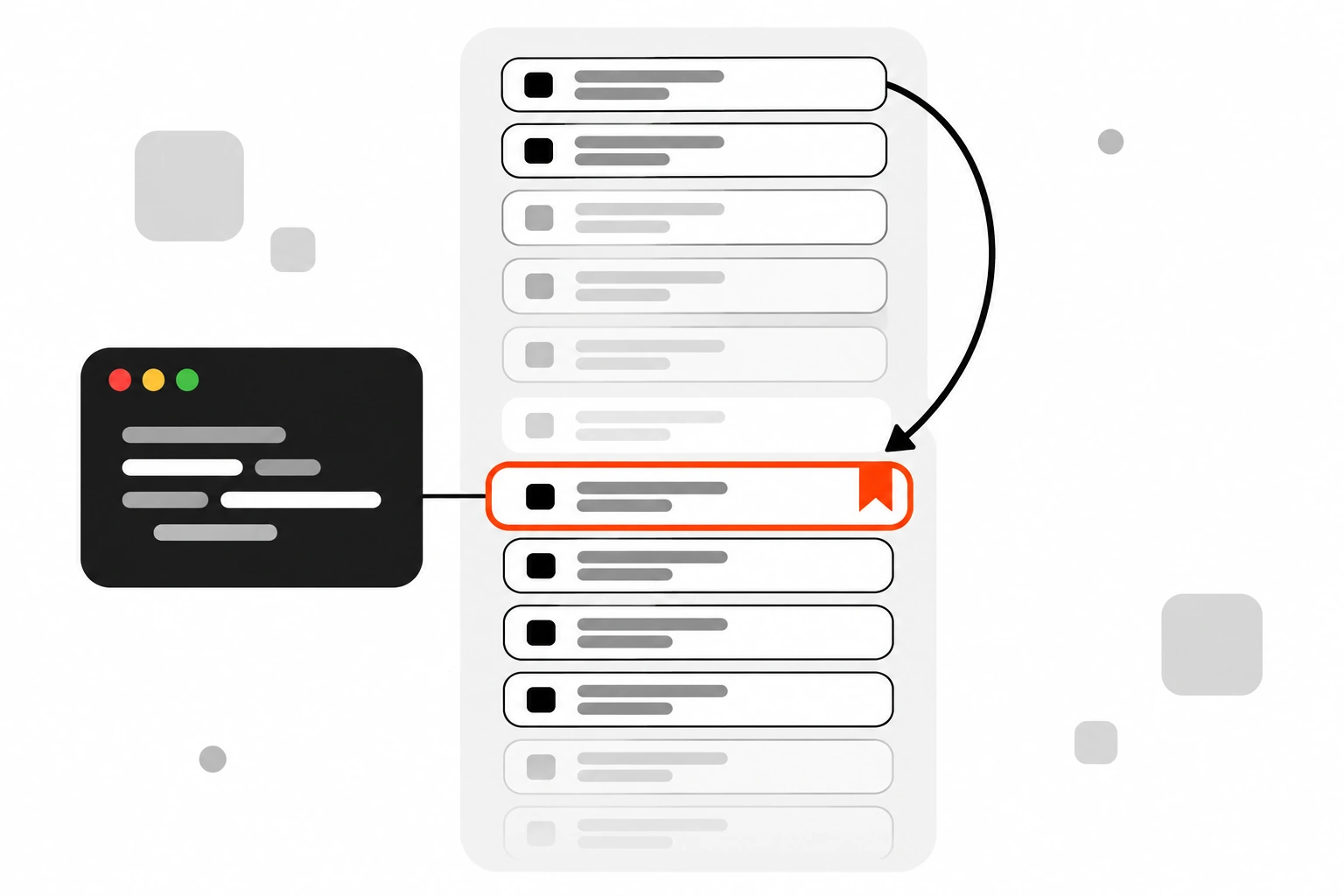
When to use cursor pagination or offset pagination in an API: why large offsets get slow, why pages repeat or skip items, keyset queries in SQL, opaque cursors, a Next.js route handler, response shapes, going backwards, and the mistakes I see most.
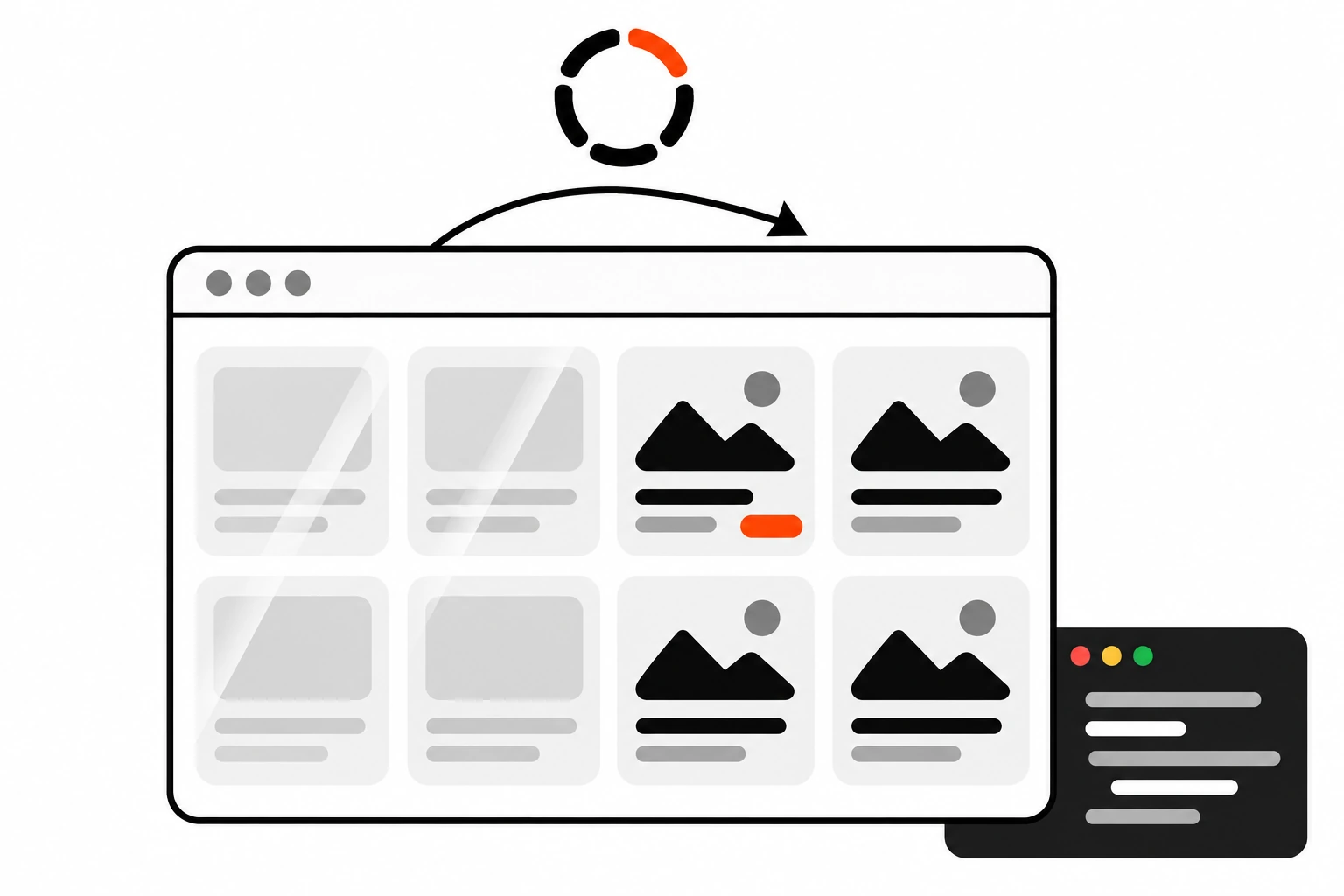
How I choose between skeleton screens, spinners and progress bars: what each one is for, how long to wait before showing a loader, matching skeletons to the real layout to avoid layout shift, aria-busy and live regions, reduced motion, and skeletons with React Suspense and Next.js loading.js.
Tell me what you need. I take on 2 to 3 projects at a time, so each one gets proper attention, and I reply within 1 working day. You get questions first, then a fixed quote.
“He is not the kind of developer who simply executes instructions - he actively looks out for the client’s interests, recommends practical solutions, and often steers projects away from unnecessary complexity and expense.”
I use Google Analytics and Microsoft Clarity, only if you allow it, to see how people use this site. Nothing else here needs cookies.Analytics cookies, only if you allow them. Cookie policy

