

Freelancer vs Agency for a Small Business Website in India: How to Choose
On this page
- Key takeaways
- What is the difference between a freelancer and an agency?
- Is a freelancer cheaper than an agency for a website in India?
- When should a small business hire a freelancer?
- When does a web agency make more sense?
- Freelancer vs agency: a side-by-side comparison
- How do you compare two website quotes on the same scope?
- What should website maintenance and support include?
- What should you ask before hiring a freelancer or an agency?
- Who should own your domain, hosting and logins?
- How do you avoid problems with a freelancer?
- How do you avoid problems with an agency?
- What should you get at handover?
- Does it matter if the freelancer is local?
- What does a good website need, whoever builds it?
- So, freelancer or agency?
- Want a straight answer for your business?
Freelancer vs Agency for a Small Business Website in India: How to Choose. Freelancer vs agency for a website in India? Compare the written scope, account ownership, ongoing costs and handover before hiring a builder. . WordPress & SEO.
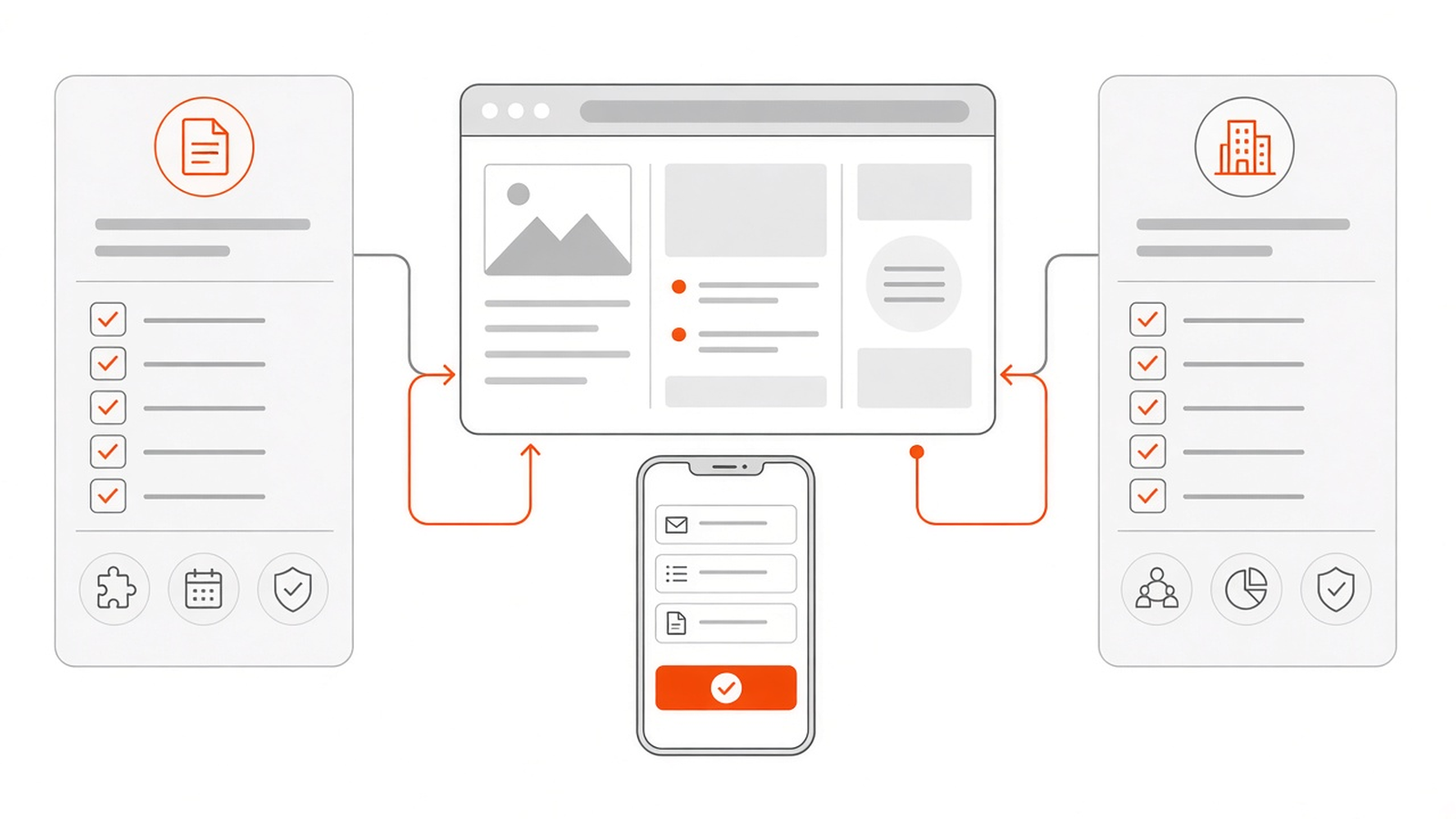
Sooner or later every small business owner hits the same fork. Do you hire a freelancer for your website, or do you go to an agency?
People tend to answer this with a feeling. An agency can feel safer. A freelancer can seem cheaper. Neither feeling is a great way to spend your money, so let’s look at what actually changes between the two.
Short answer: a freelancer can be a good fit when the scope matches their skills and you want direct contact with the builder. An agency can be useful when you need coordinated specialist work or ongoing marketing. Confirm actual capacity and availability with either provider. Pick based on scope and accountability, not the label.
Full disclosure: I’m a freelance web developer, so I obviously have a side here. I’ll still tell you where an agency is the smarter call, because sending you to the wrong option doesn’t help either of us.
Key takeaways#
- The freelancer vs agency question is really about scope. Small, clear projects suit one skilled person. Multi-skill projects need confirmed specialist capacity.
- Ask who will build the site and who will answer your questions, whatever kind of provider you choose.
- Compare written deliverables and support terms rather than assuming one kind of provider costs less.
- Whoever you hire, your domain, hosting and admin logins should be in your name.
- Ask for a written scope, a payment schedule and a handover plan before any work starts.
- With me, a single-page website starts from ₹15,000. Bigger builds get their own quote.
What is the difference between a freelancer and an agency?#
A freelancer is one independent professional who works directly with you on your project. A web agency is a company with a team, usually split into roles like project manager, designer, developer and marketer. Neither label tells you how much attention your project will receive. Ask about the actual delivery team and process.
That’s the whole definition. Everything else follows from it.
Some freelancers work with partners, and agencies vary in size and structure. So the line is not always sharp. What matters is who’s actually building your site and who answers when something breaks.
Is a freelancer cheaper than an agency for a website in India?#
There is no reliable price comparison based on the label alone. Either provider may quote more or less for a particular scope. What you should compare is what’s included: pages, design work, content, revisions, hosting setup and support after launch.
I’m not going to throw market price ranges at you, because I don’t have a reliable source for them and made-up numbers don’t help anyone budget. What I can tell you is what moves the price, whoever you hire:
- How many pages you need, and how different they are from each other.
- Whether you already have text, photos and a logo, or someone needs to create them.
- Features like online payments, booking, product catalogues or a members area.
- How much custom design you want versus a clean, proven layout.
- Whether ongoing updates and maintenance are part of the deal.
For my own work, a single-page website starts from ₹15,000. Anything bigger, I quote after I understand the scope. If you want a deeper look at what drives the number, I’ve written a full breakdown of website cost in India for 2026.
One honest warning. A very low quote from anyone, freelancer or agency, is worth checking carefully against the scope. Maybe it’s mobile testing. Maybe it’s the contact form actually working. Ask what’s included before you get excited about the price.
When should a small business hire a freelancer?#
Hire a freelancer when your website has a clear, contained scope: a business site, a portfolio, a landing page, a small WordPress or React build, or fixes to a site you already have. It can also suit owners who want direct contact with the builder. Confirm how communication works and what response window they can offer.
Here are the situations where I think a freelancer is usually the better call:
- You need a business website with a handful of pages and a clear goal, like getting calls or WhatsApp enquiries.
- You have a defined budget and a written scope that fits it.
- You want a named builder who knows your project well.
- You need changes to an existing site and the builder can demonstrate the relevant skills.
- You’re happy to share content and give feedback yourself.
Direct access to the builder can reduce clarification steps. Ask whether that is how the project will work, and agree a realistic response window.
The flip side? Any provider can have availability limits. If the assigned builder is unavailable, the project may slow down unless cover is arranged. That’s why picking the right freelancer matters, which I’ll get to in a minute.
When does a web agency make more sense?#
An agency can make sense when your project needs coordinated specialist work, provided it can demonstrate the capacity for your scope and deadline. It also suits companies that want one vendor to own marketing month after month.
I’d point you to an agency if:
- You’re launching a big ecommerce store with hundreds of products, integrations and a hard launch date.
- You need branding, photography, video, website and ads all done together.
- Your procurement rules require a particular legal or invoicing setup, and the provider can meet it. Check this rather than assuming the agency label is enough.
- You want a long-term retainer where someone runs your marketing every month.
An agency can be worth the investment if it can show the specialist capacity your project needs. Ask who is assigned and how cover works during absences.
Communication arrangements vary. Ask whether technical questions reach the developer directly, who owns updates and what happens if a deadline slips.
Freelancer vs agency: a side-by-side comparison#
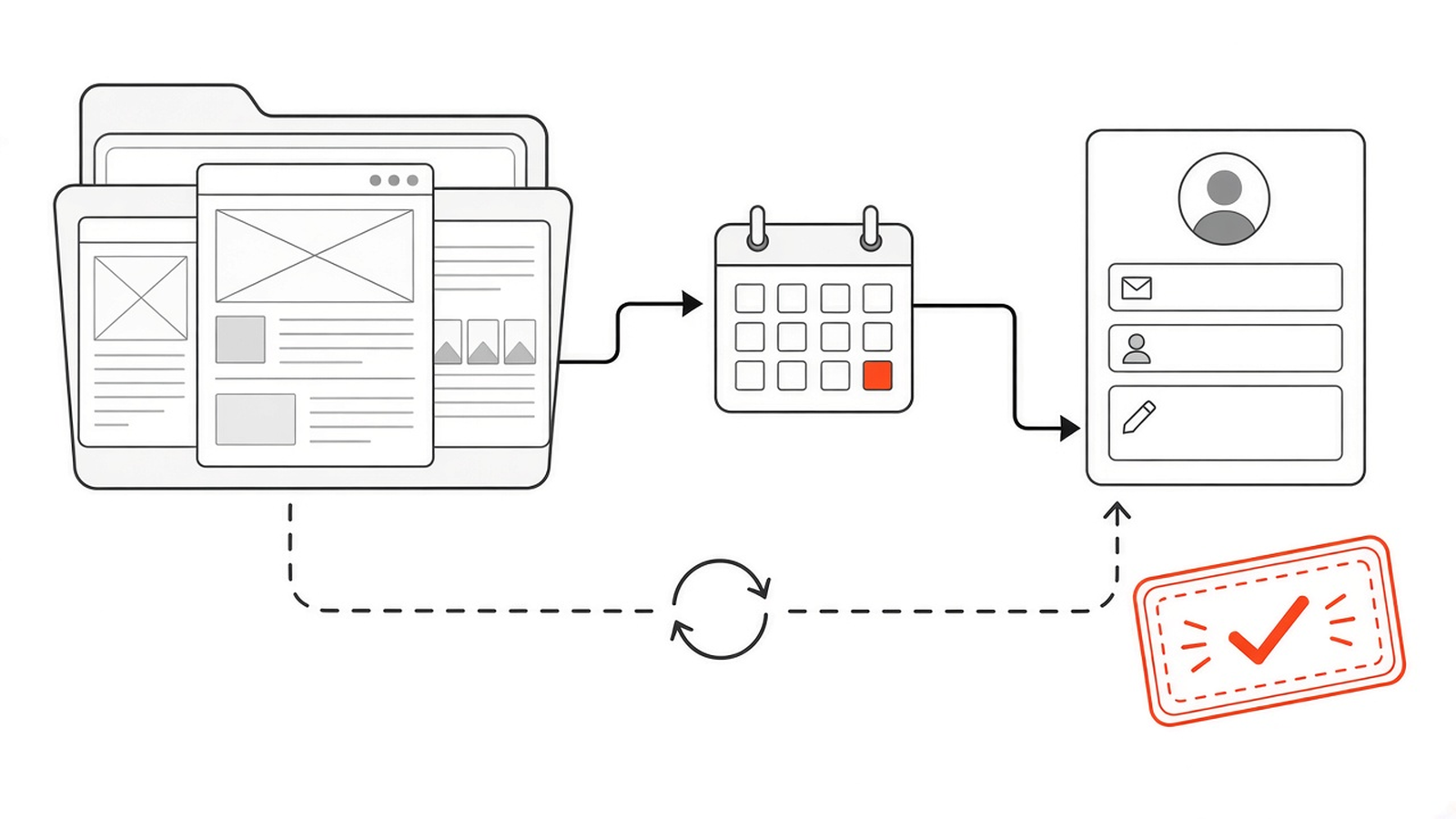
Compare the named contact, written deliverables, agreed response times and backup arrangements. The table below lists points to check, not promises that apply to every freelancer or agency.
| Factor | Freelancer | Agency |
|---|---|---|
| Who you talk to | Confirm direct access to the builder | Confirm the project contact and technical access |
| Overhead in the price | Compare the itemised quote | Compare the itemised quote |
| Range of skills | Confirm the builder’s skills and any named partners | Confirm the specialists assigned to your project |
| Speed of small changes | Depends on availability and agreed process | Depends on availability and agreed process |
| Capacity for big projects | Confirm capacity and any partner arrangements | Confirm which workstreams can run in parallel |
| Backup if someone’s away | Depends on the freelancer’s setup | Ask who can cover and on what terms |
| Best fit | Clear scope that matches the provider’s skills | Coordinated scope that matches the assigned team |
How do you compare two website quotes on the same scope?#
Send both providers the same brief and ask each to mark what is included, excluded and charged after launch. A quote for design and build is not directly comparable with one that also includes writing content or ongoing maintenance.
For example, a local service business might need an enquiry website with an agreed set of pages, a contact form and an easy way to call from a phone. This is an illustrative brief, not a client case study or a fixed package. Ask both providers to confirm who supplies the content, which form notifications will be tested, and how you approve the mobile layout.
Then compare revision limits, any paid theme or plugin licences, hosting renewals and the support period. Ask what happens if you add online bookings later. A written change process makes that a new scoped decision rather than an assumption hidden in the original price.
What should website maintenance and support include?#
Maintenance should state which updates and checks are covered, how backups are kept and tested, and how faults are reported. Content changes and new features may be separate work. Confirm those boundaries and any recurring charges before hiring either provider.
A response time is not a repair deadline. Ask when someone will acknowledge a problem, what happens next, and which working hours apply. If a third-party service fails, ask how the builder will help and which parts are outside their control. Neither the word freelancer nor the word agency answers those questions.
Keep renewal dates and licence holders in the handover notes. Some commercial components cannot simply be transferred with the site, so agree who pays for continued updates and what happens if you change providers.
What should you ask before hiring a freelancer or an agency?#
Ask to see live websites they built, who exactly will do the work, what’s included in the price, how many revision rounds you get, how payments are split, and what you’ll receive at handover. Also ask whose name the domain, hosting and admin accounts will be in. Clear answers here can reduce avoidable misunderstandings later.
Google’s own advice on hiring an SEO says something similar: ask for examples of past work, ask how they’ll communicate, and be wary of anyone who promises guaranteed results. The same thinking works for picking a web developer.
Here’s the list I’d use if I were hiring someone myself:
- Can I see two or three live websites you built, and what exactly did you do on each?
- Who will actually design and build my site?
- What’s included in the quote, and what would cost extra?
- How many rounds of changes are included?
- What’s the payment schedule? Is there an advance, and what triggers the next payment?
- Will the domain, hosting and admin logins be in my name?
- What happens after launch? Who fixes things if they break?
- Will the site be tested on phones before it goes live?
Watch how they answer, not just what they say. Someone who explains things plainly and asks you questions back is usually someone who’ll be easy to work with.
Who should own your domain, hosting and logins?#
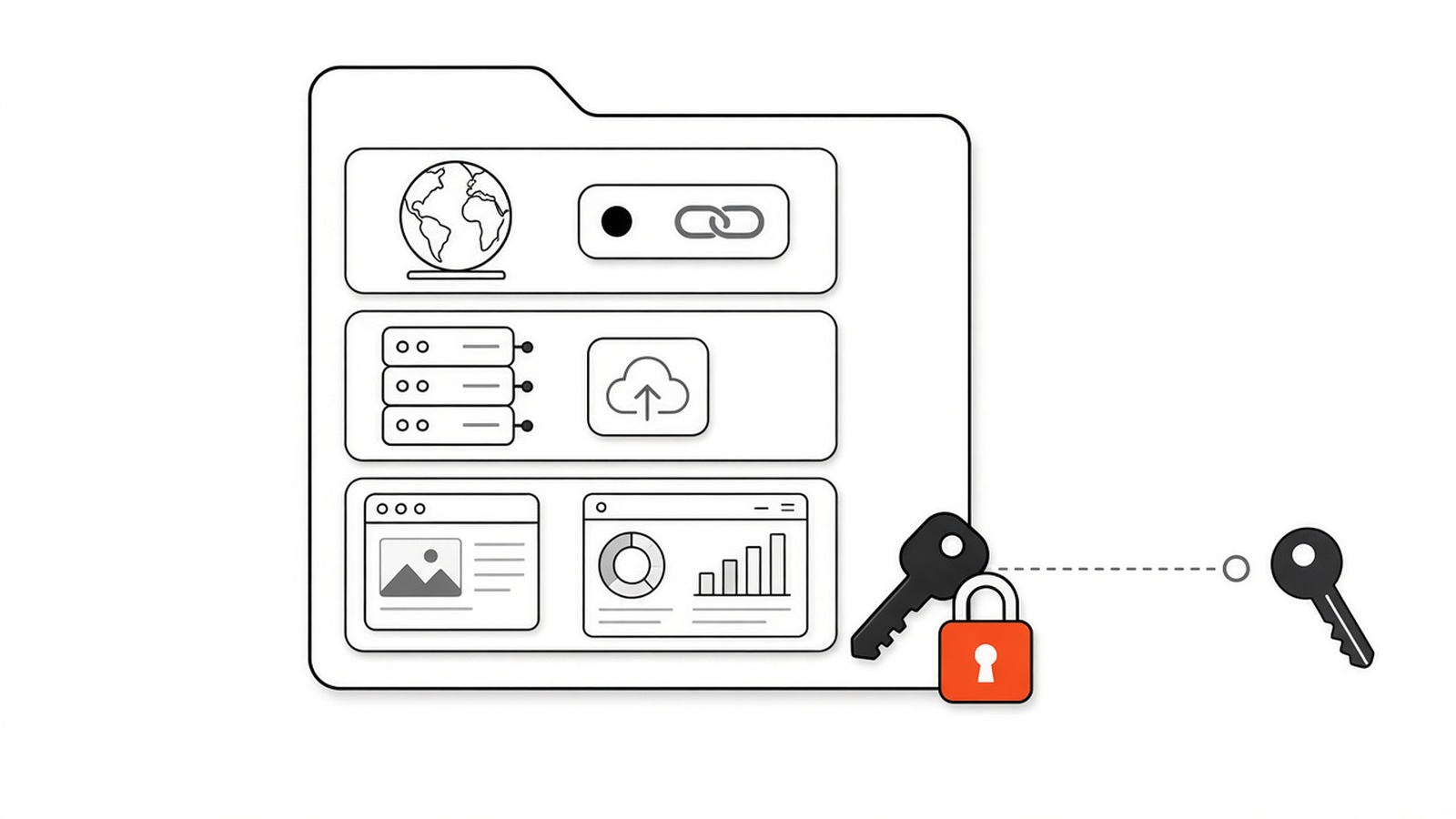
You should. Whether you hire a freelancer or an agency, the domain should be registered in your name or your company’s name, and you should have the admin login for hosting and the website itself. That way, if you ever change developers, you keep practical control of your accounts. Check both the registrant details and the registrar account: your business should control the recovery email and renewal settings. Add the builder through delegated access where the service supports it, instead of sharing your primary login.
A domain registered in the builder’s own name can create avoidable handover problems. The business may struggle to renew or move it if it cannot access the registration account.
ICANN, the body that coordinates domain names, publishes a page on registrants’ benefits and responsibilities. It’s worth a read if you want to understand your rights as the domain holder.
The fix is simple. Ask for it in writing before the project starts. Any professional, freelancer or agency, should be fine with it. If they push back, that’s a red flag.
How do you avoid problems with a freelancer?#
Agree on a written scope, split payments into milestones, keep all communication in one place, and make sure you hold the logins. Ask for a staging link so you can review progress before launch. Vague agreements can cause avoidable disagreements about deliverables and payments.
A written scope doesn’t need to be a twenty-page contract. A simple document listing the pages, features, timeline, price and exclusions gives both sides a clearer starting point.
Milestone payments protect both sides. You aren’t paying everything up front. The freelancer isn’t working for weeks with nothing paid.
And keep your messages in one thread, whether that’s email or WhatsApp. When there’s a disagreement later about what was agreed, you’ll be glad you can scroll back.
How do you avoid problems with an agency?#
Find out who’s on your project and how often you’ll get updates, ask whether any work is outsourced, and confirm what’s covered by the monthly fee versus billed separately. Make sure the agreement explains your rights to the custom work and content, and separately lists any third-party licences or reusable components. Account access alone does not settle intellectual-property rights; get legal advice for assignment terms if needed.
Agencies sometimes pass work to outside contractors. That isn’t automatically bad. You just want to know about it, and you want the agency to stay responsible for quality.
Retainers deserve a careful read too. “Website maintenance” can mean anything from plugin updates to full content changes. Get it written down.

What should you get at handover?#
At handover you should receive the admin logins, confirmation that the domain and hosting are in your name, a working backup, and a short guide on how to update basic content. You should also know how analytics and Google Search Console are set up, and who has access to them.
Handover is where good and average work really separate. A site that only the developer can update isn’t fully yours.
A tidy handover usually includes:
- Admin access for the website, hosting and domain, in your name.
- A recent backup, confirmation that a restore has been tested, and a note on how backups run going forward.
- Analytics set up and shared with your Google account. Google’s help page on setting up Analytics for a website covers the basics.
- A simple guide or short screen recording on editing text and images.
- A list of plugins or services the site depends on, with any renewal dates.
Before launch, use a website launch checklist to check for issues such as a broken form or a test phone number.
Does it matter if the freelancer is local?#
It can help, but it isn’t essential. A freelancer familiar with your market and language may find discovery easier, and meeting in person can help. Still, plenty of good websites are built fully remote. What matters more is clear communication, a proven track record and reliable response times.
If you’re a local business, someone who gets how your customers search and contact you is a real plus. I wrote about this for owners here in Gujarat in my guide to website design in Jamnagar.
But I wouldn’t pick someone only because they’re nearby. A developer two cities away who replies the same day beats one down the road who goes quiet for a week.
What does a good website need, whoever builds it?#
A good small business website loads quickly on phones, explains what you do in the first screen, makes it easy to call or message you, and is built so search engines can understand it. Those basics matter far more than whether a freelancer or an agency built it.
Speed is a big one. Google’s Core Web Vitals measure how fast your main content shows up, how quickly the page reacts, and whether things jump around as it loads. If you want to see what that looks like in practice, my posts on fixing slow LCP images and layout shift go into detail.
So whatever you choose, judge the result, not the business card. Open the sites they’ve built on your own phone. Are they quick? Can you find the phone number in five seconds? That tells you more than any sales pitch.
So, freelancer or agency?#
If your website has a clear scope and you want direct contact with the builder, consider a freelancer with the right skills. If you need coordinated specialist work or ongoing marketing, consider an agency that can demonstrate the needed capacity. In both cases, insist on a written scope, milestone payments and owning your own domain and logins.
There’s no shame in either choice. Plenty of businesses start with a freelancer for their first site and move to an agency once they’re running bigger campaigns. Others do it the other way round.
The worst outcome is picking based on the label and then finding out halfway through that it wasn’t a fit.
Want a straight answer for your business?#
If you’re not sure whether your project is freelancer-sized or agency-sized, tell me about it. I’ll be honest about which one fits, even if the answer is that you need a bigger team.
Send me a short note through the contact form, message me on WhatsApp, or email pdarshan888@gmail.com. Tell me what your business does, what you want the website to achieve and roughly when you need it.
For reference, a single-page website with me starts from ₹15,000. I’ll ask a few questions to pin down the scope before quoting anything bigger.
Frequently asked questions
Is it better to hire a freelancer or an agency for a small business website?
A freelancer can be a good fit when the agreed scope matches their skills and you want direct contact with the builder. An agency can help with coordinated specialist work or ongoing marketing. Confirm the actual delivery team, availability and communication process before choosing.
Is a freelancer cheaper than an agency in India?
Neither label guarantees a lower price. Compare written deliverables, revision limits and support on the same scope. My single-page websites start from INR 15,000; other scopes are quoted separately.
What should I ask a web developer before hiring them?
Ask to see live sites they built, who will do the work, what the quote includes, revision limits and payment milestones. Confirm recurring fees, support response terms, account ownership and the handover deliverables in writing.
Who should own the domain and hosting of my business website?
Your business should be the domain registrant and control the registrar account, recovery access and renewals. You should also control the hosting and website admin accounts. Give the builder separate, appropriate access where supported; do not rely only on a name in the registration record.
How do I avoid problems when hiring a freelance web developer?
Agree on a written scope, split payments into milestones, keep communication in one thread, review progress on a staging link, and make sure you hold all the logins before launch.
When does a web agency make more sense than a freelancer?
Consider an agency when it can demonstrate the specialist capacity needed for coordinated work or ongoing marketing. Confirm the assigned team, deadlines and backup arrangements. If procurement rules apply, check the provider's legal and invoicing setup rather than assuming the label is enough.
What should I receive when my website is handed over?
Confirm administrator access to business-controlled accounts, a recent backup with a tested restore, analytics access and a short editing guide. Document the plugins or services used, their licence holders and renewal dates. Agree separately what custom work you own and what is licensed.

Comments
No comments yet. Add the first one below.